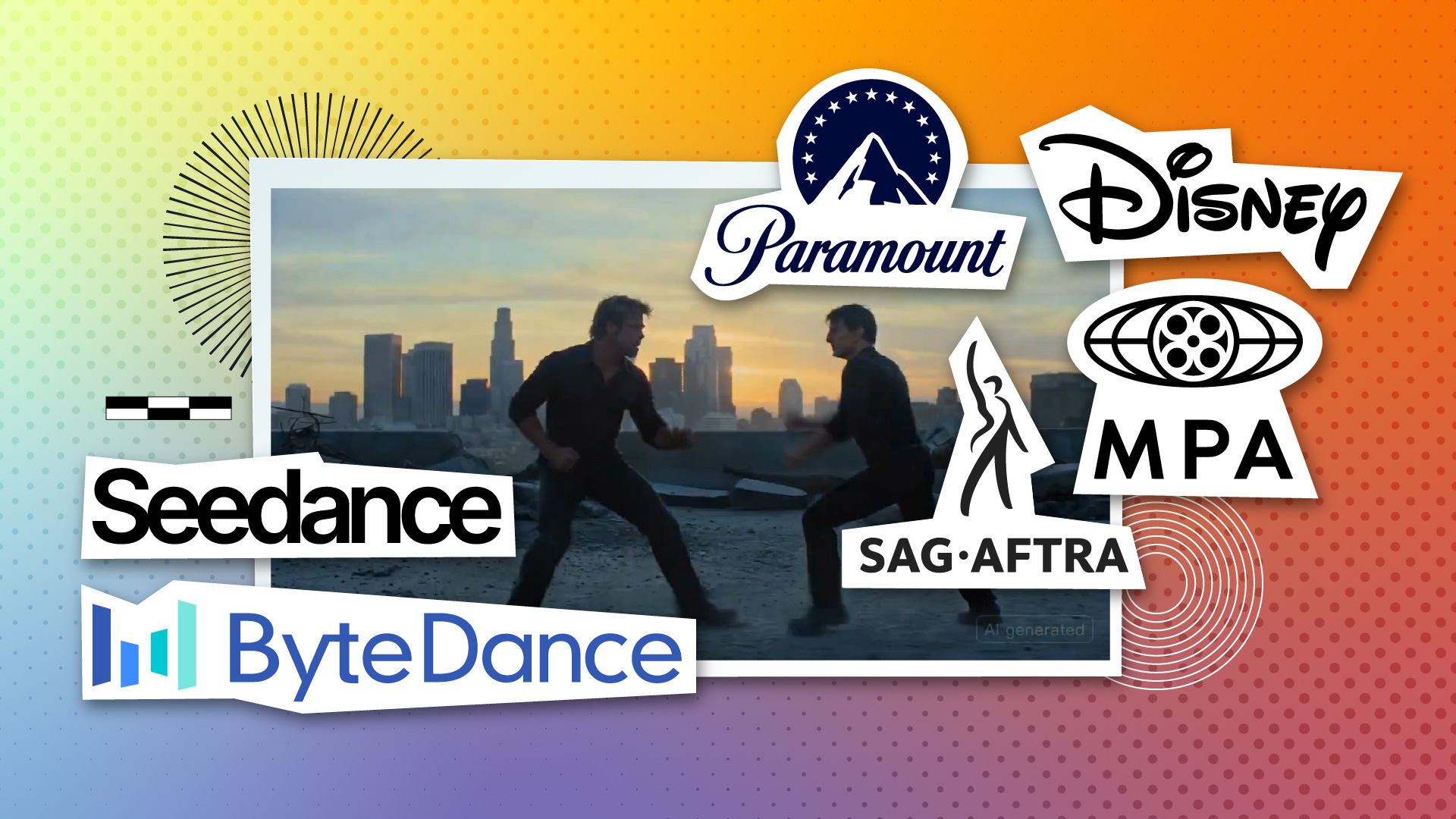
ByteDance says it will strengthen content filters for Seedance 2.0 after receiving cease-and-desist letters from Disney, Paramount Skydance, and other entertainment companies. The announcement follows a viral AI-generated clip of Tom Cruise and Brad Pitt fighting that demonstrated the tool's ability to generate photorealistic video of real people and copyrighted characters.

The company's vague response and the timing of the crackdown raise questions about whether this follows a familiar pattern: launch with permissive safeguards, generate attention through capability demonstrations, then tighten controls after legal pressure.

Catch our take on this viral ad in the newest Denoised episode below.

The Viral Moment: A Tom Cruise vs. Brad Pitt clip exposed gaps in Seedance 2.0's content moderation

ByteDance released Seedance 2.0 as the successor to its benchmark-topping video generation model. Users quickly generated photorealistic clips of celebrities and copyrighted characters, sparking immediate backlash from artists and studios.

The safeguards did not keep pace with the model's expanded capabilities.

Disney, Paramount Skydance, the Motion Picture Association (MPA), and SAG-AFTRA all pushed back against what they characterized as unchecked IP infringement.

Disney's cease-and-desist letter, reported by Axios, accused Seedance 2.0 of using "a pirated library of Disney's copyrighted characters from Star Wars, Marvel, and other Disney franchises, as if Disney's coveted intellectual property were free public domain clip art."

Disney's lawyers called it a "virtual smash-and-grab" of their intellectual property. The letter included example videos featuring Spider-Man, Darth Vader, and Peter Griffin.

Paramount Skydance followed with its own cease-and-desist, according to the BBC, alleging infringement of South Park, SpongeBob, Star Trek, TMNT, The Godfather, Dora, and Avatar: The Last Airbender.

The MPA demanded the tool "immediately cease its infringing activity." SAG-AFTRA accused Seedance of "blatant infringement."

ByteDance's Response: Vague commitments with no specifics

In a statement to the BBC, ByteDance said it was "taking steps to strengthen current safeguards as we work to prevent the unauthorised use of intellectual property and likeness by users." The company added that it "respects intellectual property rights and we have heard the concerns regarding Seedance 2.0."

When pressed for specifics on how those safeguards would work, ByteDance did not respond.

The company had previously paused the ability for users to upload images of real people, but that measure did not prevent the generation of celebrity likenesses from text prompts.

The OpenAI-Disney Parallel: A licensing deal that followed similar controversy

The sequence echoes OpenAI's trajectory with Sora. When Sora launched, users quickly discovered they could generate videos of copyrighted characters and real people with minimal friction. The tool generated significant buzz and significant controversy.

In December 2025, we covered the landmark three-year licensing deal between Disney and OpenAI that grants Sora users access to over 200 Disney characters, including those from Star Wars, Marvel, Pixar, and other franchises. Disney invested $1 billion in OpenAI equity as part of that agreement.

The deal made Disney the first major content licensing partner on Sora.

The Strategic Question: Capability demonstration or calculated risk?

For AI video companies, the incentive structure creates a tension. The tool that respects IP from day one may struggle to generate the viral moments that drive awareness. The tool that pushes boundaries first captures attention, then negotiates its way into legitimacy.

For ByteDance, the risk is regulatory and reputational. The MPA and SAG-AFTRA are watching. Disney and Paramount have already signaled they will pursue legal action. The Japanese government has also launched an investigation into potential copyright violations after AI-generated videos of popular anime characters like Detective Conan and Ultraman appeared online.

What Comes Next: Safeguard improvements or licensing negotiations

ByteDance's next moves will reveal whether this follows the OpenAI pattern. Genuine safeguard improvements would prevent IP infringement going forward. Licensing negotiations would reshape how studios and AI companies share IP rights.

For creators and studios, the pattern matters. If AI video generators can launch with permissive safeguards, generate buzz through IP-infringing content, and then negotiate their way into legitimacy, the incentive structure rewards those who move fast and fix later.

The studios have made their position clear. ByteDance has pledged to tighten safeguards. What those safeguards actually look like remains to be seen.

Reply

Avatar

or to participate

Keep Reading