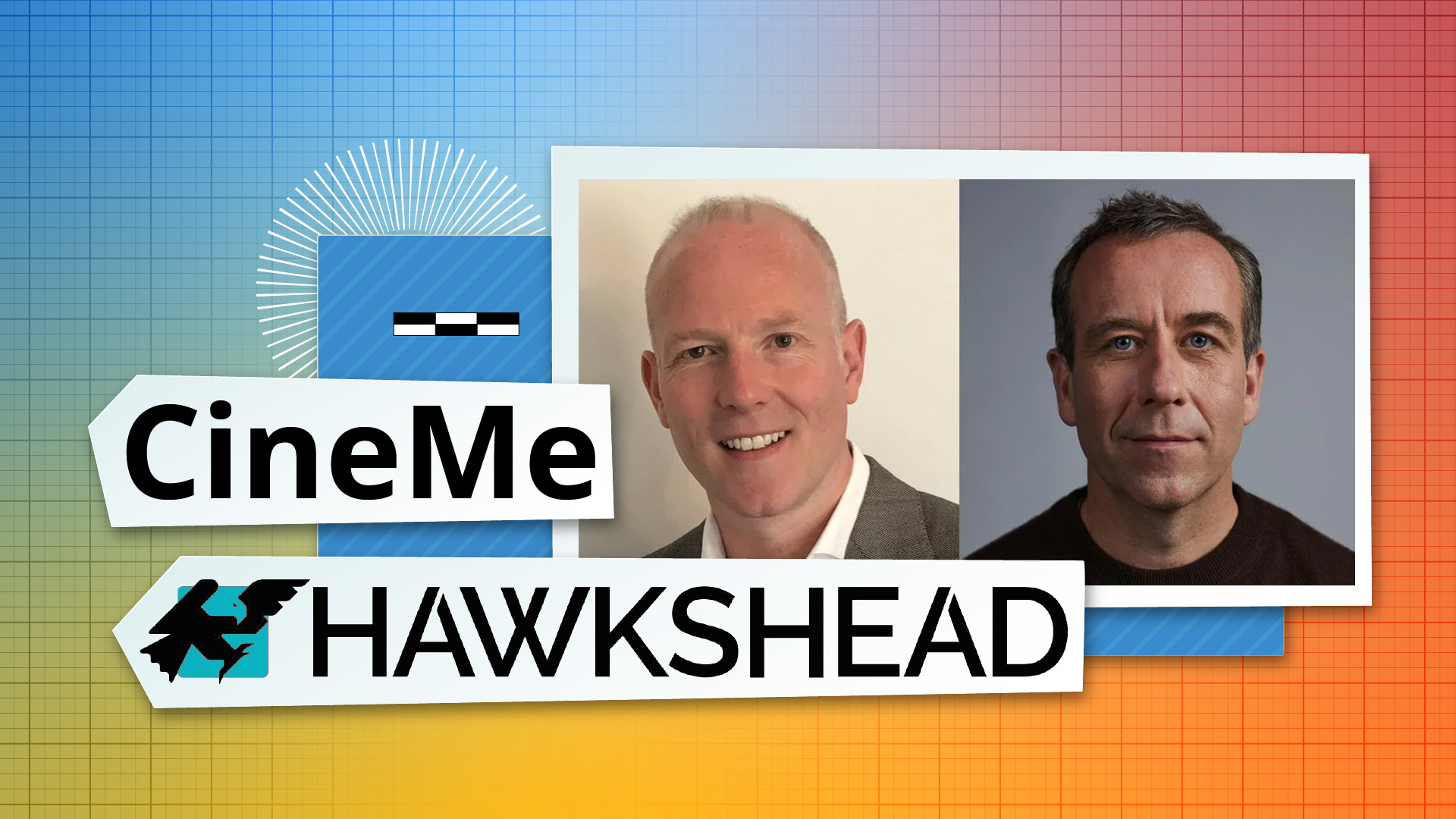
Two AI tools aimed at independent filmmakers launched at the Cannes Marché du Film from Chris Bird, the former managing director of Prime Video UK who stepped down after more than 14 years at Amazon.

The launches:

  • CineMe AI generates photo-realistic visual storyboards from a script in seconds, co-founded with director Dan Hartley

  • HawksHead AI uses proprietary databases to forecast how a project will perform with specific audience segments at the script or synopsis stage

  • A charitable trust called the CineMe Future Fund holds 5% of CineMe's equity and provides enterprise-grade AI access to screen industry workers

Both products target capabilities that were once confined to major studios and streaming platforms. Bird's pitch is that the same analytics and visual-development infrastructure used by streamers should reach independent producers at the point where it matters: before a frame is shot.

Storyboards in Seconds: CineMe AI converts a screenplay into photo-realistic frames that producers, directors, production designers, cinematographers, costume designers, and VFX teams can review and iterate on before principal photography.

The platform sits in the visual-development gap between script and pre-vis. Hartley, who directed HBO and Sky's documentary David Holmes: The Boy Who Lived, put the case for it directly:

"Before CineMe you used to have to wait until you'd made a film before you could see it, now you don't."

CineMe is in beta with what the founders describe as confidential, high-profile productions. Generative AI VFX capabilities for explosions and large-scale set pieces are planned as the platform scales, though not yet available.

Audience Forecasting From a Synopsis: HawksHead AI analyses scripts or synopses against proprietary AI tools and private databases to predict performance with specific audience segments, then suggests adjustments to scripts and casting that could improve resonance.

A feature the company calls a "synthetic panel" lets creators test changes and receive feedback within hours rather than weeks. The pitch is aimed at independent producers who need to win commissions or secure broadcaster and streamer investment.

Bird framed the broader thesis in a Screen Daily interview:

"The old ways of commissioning, based on who you knew and what talent you could attach, are changing rapidly. Streamers and platforms have for years used sophisticated data analysis to make investment decisions, and that data was their exclusive preserve. Now, through HawksHead AI and CineMe, we're levelling the playing field, putting that same power into the hands of British filmmakers and content creators at the point where it matters most: before a single frame is shot."

Five Percent to a Charitable Trust: CineMe assigned 5% of company equity to the CineMe Future Fund, a charitable trust designed to provide enterprise-grade AI access to screen industry workers whose livelihoods have been disrupted by shifts in the production landscape.

The structure is unusual for an AI startup at launch. Most generative AI companies serving production charge subscription fees and offer free or discounted tiers for hobbyists. Routing equity to a trust that subsidizes access for working professionals is a different model, and one that distinguishes CineMe from peers competing on price and feature parity.

What's Worth Watching: Outside of confidential beta partnerships, details remain limited on training data, sample outputs, and pricing for either tool. The fidelity of CineMe's storyboards and the predictive accuracy of HawksHead's forecasts will only be measurable once beta projects ship.

For production teams, the practical evaluation points are whether CineMe's outputs reach the quality bar to replace concept art or scouting passes, and whether HawksHead's forecasts hold up against actual commission outcomes. Both will need open testing before the "levelling the playing field" framing becomes more than a launch pitch.

Reply

Avatar

or to participate

Keep Reading