How the Model Works
The core workflow relies on Phota Studio, where users upload 30 to 50 reference photos to train a private personal model. The training process takes about 15 minutes. Once trained, the model can generate new portraits or edit existing ones while retaining the subject's unique features.
According to PhotaLabs, the system is optimized specifically for photorealism rather than artistic renders. It supports outputs up to 4K resolution, multiple aspect ratios, and batch generation. The technical focus is on natural lighting, accurate skin textures, and maintaining physical structure across different camera angles.
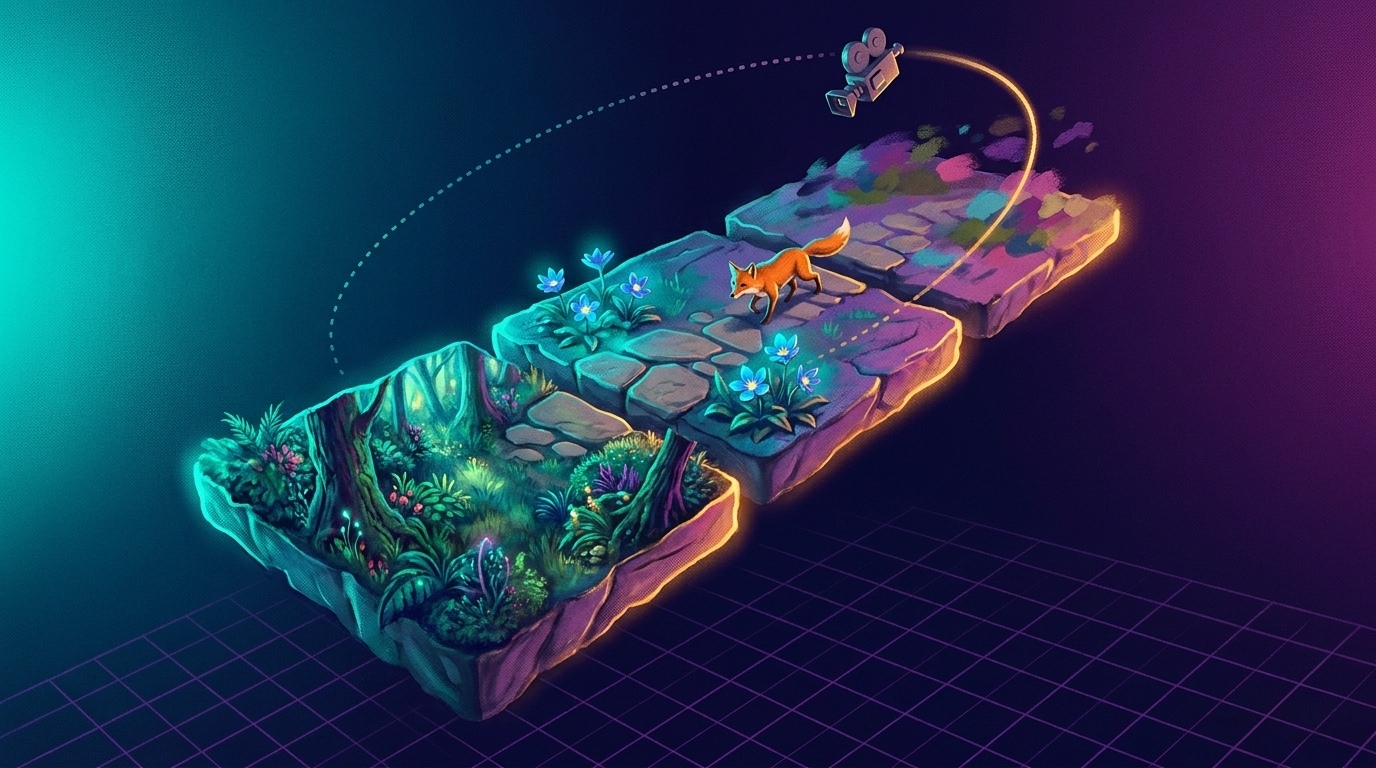
The differentiator is the platform's proprietary identity preservation layer. Built by a team that includes former Adobe researchers, this layer sits on top of base image generation models and acts as an anchor for the subject's likeness. It allows users to prompt for specific lighting changes, new environments, or altered expressions without losing the core identity of the person in the frame.
The "Wrapper" Controversy
The launch gained widespread attention not just for the model's capabilities, but for a public dispute over its architecture. Shortly after Phota debuted, LetzAI, a platform that previously hosted the tool, accused PhotaLabs of marketing the product deceptively, claiming it was merely a "wrapper" for Nano Banana rather than a new foundation model. LetzAI subsequently pulled Phota from its platform.
PhotaLabs responded by clarifying the system's architecture. They stated that Phota was never marketed as a single end-to-end foundation model built from scratch. Instead, it is a multi-model system that utilizes leading open-source models, including Nano Banana, for base image generation. The actual product, they argue, is the proprietary identity preservation layer that makes the consistent character generation possible.
This type of architectural dispute is becoming common as the AI industry matures. Many production-grade tools are orchestration layers built on top of existing foundation models. The value lies in the specialized workflows, in this case identity preservation and consistent character generation, rather than the base pixels.
For end users, the architectural debate is secondary to the output. If Phota's identity layer delivers results that are meaningfully better and more consistent than running a standard LoRA training pipeline on Nano Banana, it serves a clear purpose in the production stack.