Multi-Shot Storytelling and Consistency
The core technical challenge in AI video generation is coherence over time. When a camera moves or a scene cuts, models frequently lose track of spatial relationships, environmental lighting, and physical subject details.
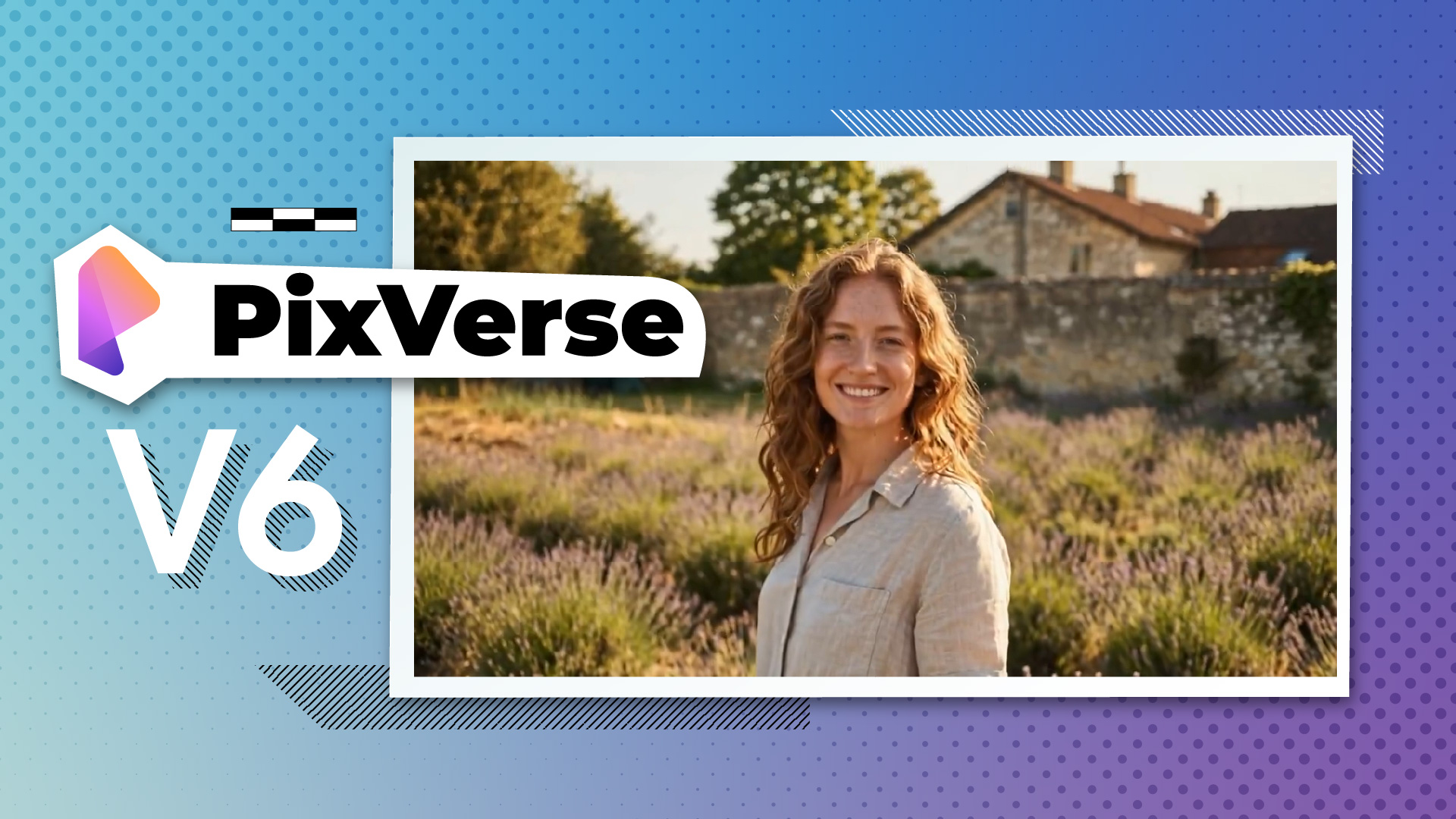
V6 introduces a multi-shot storytelling engine specifically built to track these elements across sequences. Rather than generating isolated clips that must be carefully prompted to match, the model preserves cross-frame character consistency for facial expressions, body language, and wardrobe. It also supports multi-image referencing, meaning users can upload several angles of a subject or environment to anchor the model's output and reduce visual drift over the 15-second generation window.
Cinematic Control and Physics
On the control side, PixVerse expanded its camera manipulation capabilities. The new model includes over 20 specific cinematic lens options. Users can prompt for distinct focal lengths, depth of field adjustments, lens distortion, dolly tracking, perspective shifts, and fisheye effects with much higher fidelity than V5.6.
The update also includes a physics overhaul. The simulation engine driving the model handles fluid dynamics, fabric movement, collisions, and high-speed actions with more realism, moving past the stiff, waxy motion that still plagues many video generation models.
Native Audio Integration
V6 adds native audio integration directly into the generation pipeline. Instead of requiring a separate pass through an audio model like ElevenLabs or Suno, PixVerse V6 generates synchronized sound effects and ambient noise alongside the video in a single workflow.
This matches a growing trend among video generation platforms attempting to collapse the post-production pipeline. By handling 1080p video, cinematic camera moves, and synchronized audio in one 15-second pass, PixVerse is positioning V6 as a comprehensive scene generator rather than just a visual asset creator.