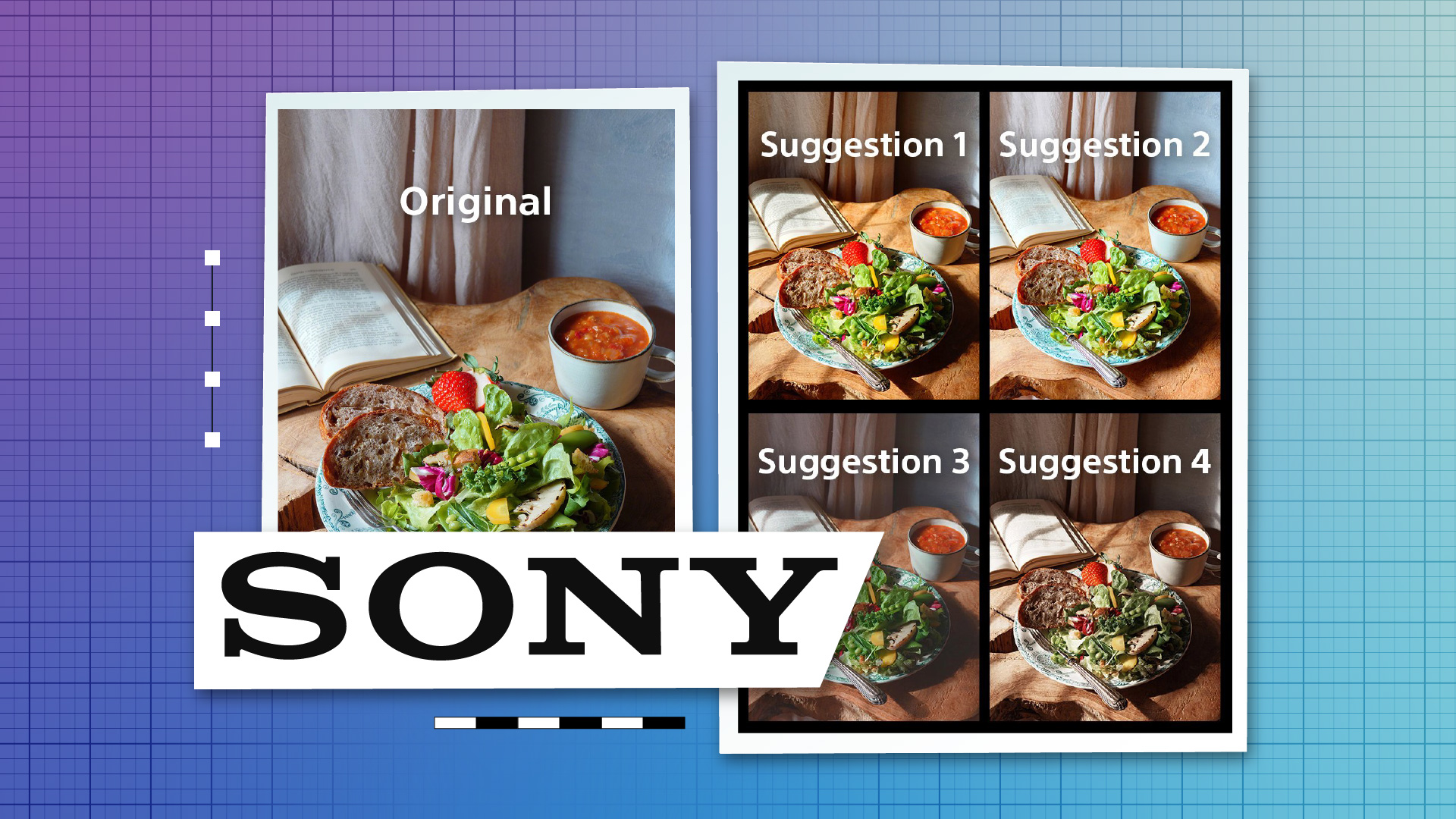
Inside the Frame: Xperia Intelligence analyzes scene conditions and surfaces four creative presets at capture time.
The system evaluates the scene, subject, and current weather to produce four preset options. Each adjusts some combination of color tone, exposure, bokeh strength, and lens selection across the phone's three rear cameras. The user picks one or shoots manually. Settings draw from Sony's "Creative Look" imaging philosophy used in its Alpha mirrorless line, according to the official press release.
Hardware Behind the Pitch: A larger telephoto sensor and RAW multi-frame processing bring DSLR-tier capture options to the phone.
The Xperia 1 VIII's enhanced telephoto camera uses a 1/1.56-inch image sensor that Sony says is roughly 4x larger than the sensor in the Xperia 1 VII. It pairs with a 70mm focal length and f/2.8 aperture. All three rear cameras (16mm, 24mm, 70mm) now apply RAW Multi-frame Processing for expanded dynamic range and noise reduction. Direct manual controls remain available for brightness, warmth, tint, and contrast.
Why the Marketing Landed Badly: Photographers in the replies read "AI" on a camera as image synthesis by default.
PetaPixel reported the ad campaign was "getting ripped apart" by photographers in the replies. 9to5Google called it "the final boss of the worst camera trend."
The disconnect maps onto a wider issue facing every camera and phone maker shipping AI features. Audiences familiar with generative tools read "AI" on a camera as image synthesis by default. Marketing that leans into creative-sounding outcomes ("brings stories to life") without grounding in the actual mechanism reads as deceptive even when the feature itself is conservative.
For Media Professionals: The feature set is closer to a smart preset menu than a generative pipeline, with RAW workflows and manual controls intact.
The Xperia 1 VIII falls in the smartphone tier marketed for serious image capture, including video and stills produced for professional contexts. RAW workflows, manual exposure control, and color decisions remain in the operator's hands. AI Camera Assistant is opt-in, not a destination the file passes through automatically.
Reading the Replies: Sony's rapid correction shows the industry that "AI" branding now requires precise framing.
The next wave of flagship phone launches from competitors will be watched for the same gap between marketing language and actual behavior. For working photographers and DPs evaluating mobile capture, the actual feature set determines the value of the device, not the marketing language attached to it.