Marble model: Generates 3D worlds from text, images, panoramas, and video
World API: Programmatic access to world generation, available since January 21, 2026
What Marble Generates
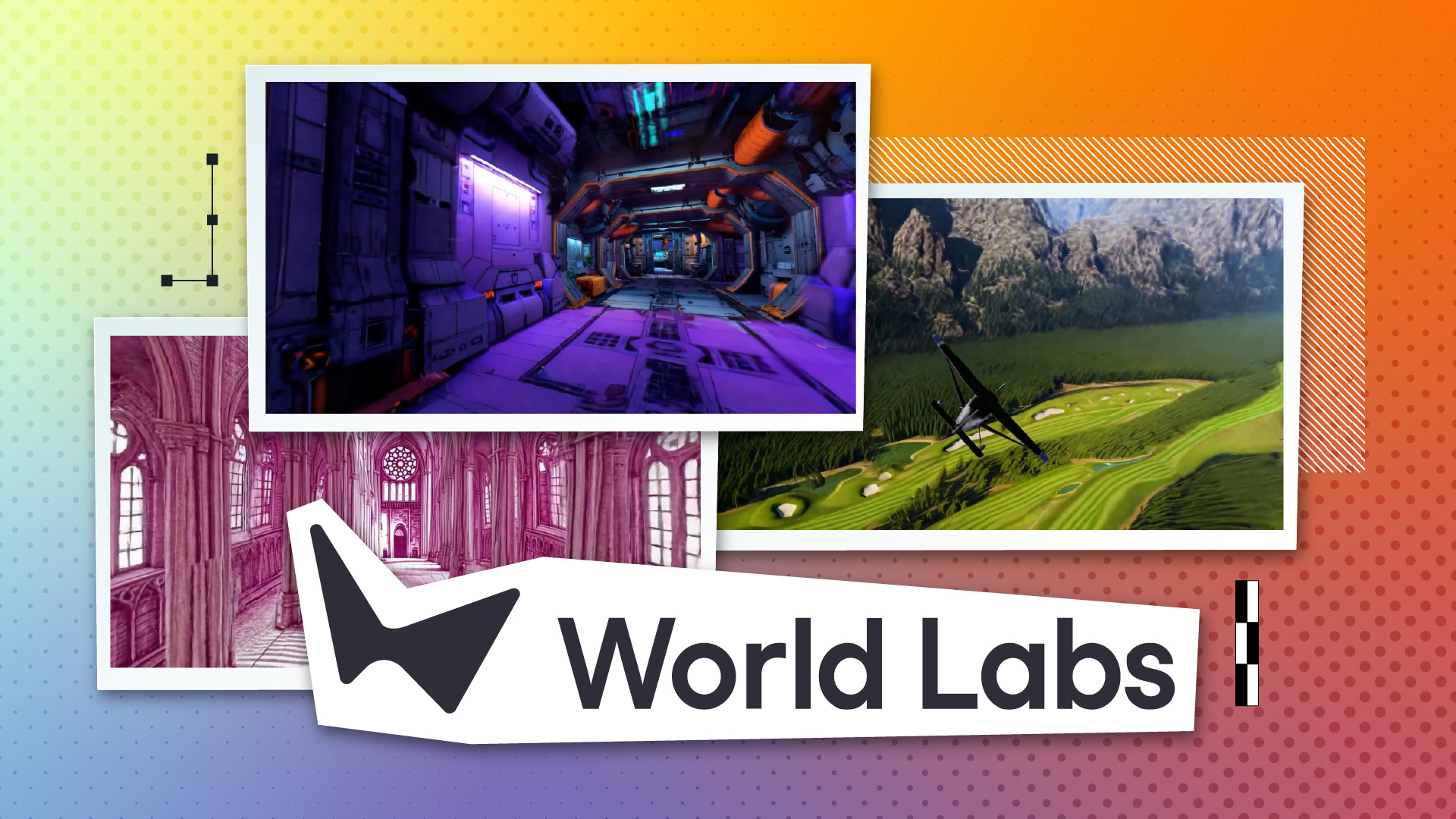
The streaming update sits on top of the World API, which World Labs launched on January 21, 2026. The API is driven by Marble, the company's generative world model, and it accepts four input modalities: text prompts, single images, 360-degree panoramas, and video clips. Output is an explorable 3D scene represented as Gaussian splats, which can be walked through in real time rather than rendered as a fixed camera path.
For media teams, that input flexibility matters. A concept artist's still frame, a location scout's iPhone panorama, or a reference video can all seed a navigable environment. The scenes are not yet production-ready geometry, but they function as a fast previsualization or virtual location surface that a director or DP can walk through before committing to a plate shoot or LED volume build.
Why Streaming Changes the Workflow
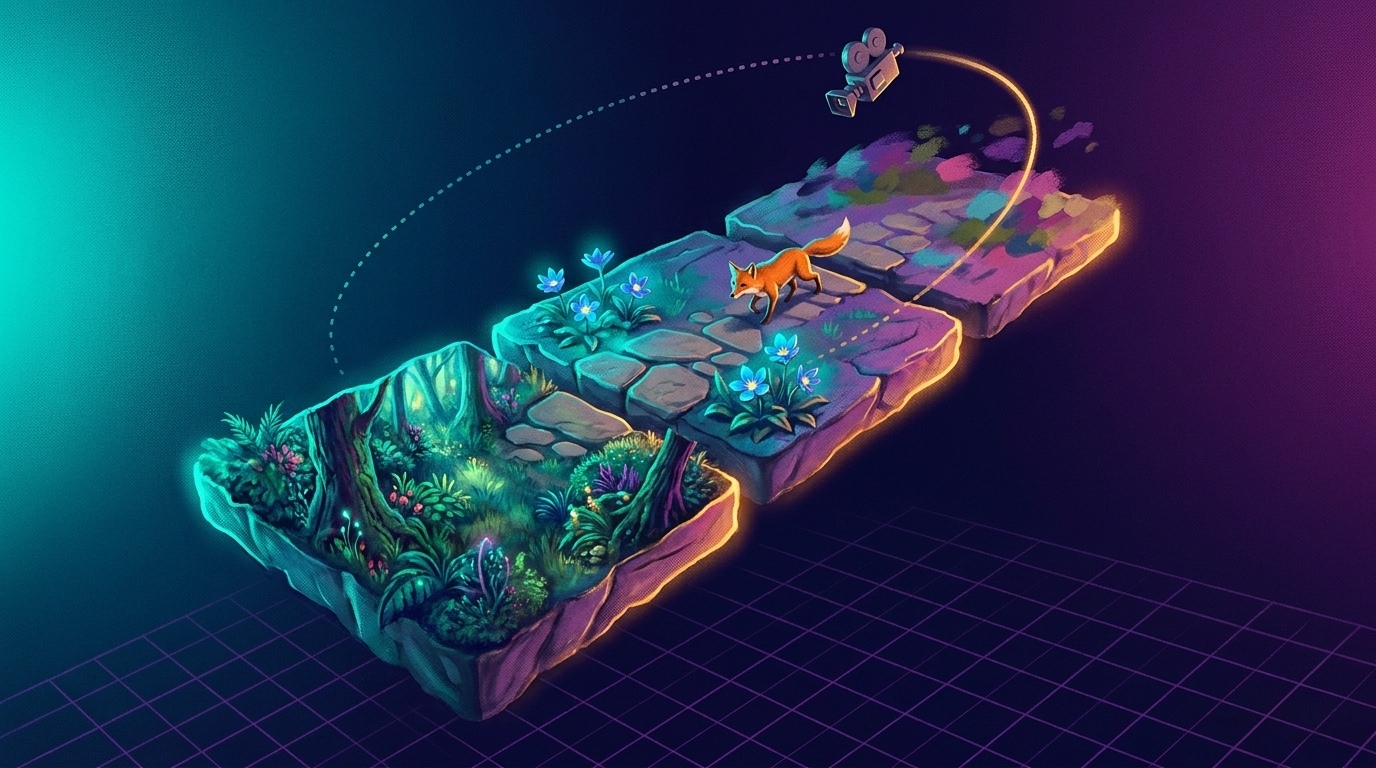
Before this update, sharing a Marble-generated world generally meant handing over a file and asking a collaborator to install a viewer or wait on a heavy download. The Spark 2.0 streamable LOD pipeline removes that step. A producer can send a URL and a reviewer can open it on a laptop, iterate on notes, and return feedback inside the same session.
That has practical consequences for the scout-to-shot pipeline. Virtual location reviews, pitch decks with interactive environments, and remote director walkthroughs all become feasible over standard web links. It also lowers the bar for integrating generated scenes into pre-existing pipelines, since web delivery sidesteps the installer and GPU-driver friction of desktop tools.
Generated Worlds Meet Web Delivery
World Labs is pushing on two fronts at once: a generative model that produces explorable 3D from diverse inputs, and a delivery layer that makes those outputs usable without heavyweight local setup. For virtual production teams, previsualization artists, and VFX supervisors, that combination shortens the loop between a reference image and a scene a collaborator can actually walk through.
The open question is fidelity. Gaussian splats are strong for look-dev and spatial review but still require conversion workflows to feed into tools expecting polygonal meshes or Unreal assets. As Marble's output quality improves and Spark 2.0 streaming matures, the path from prompt to reviewable virtual location continues to compress.