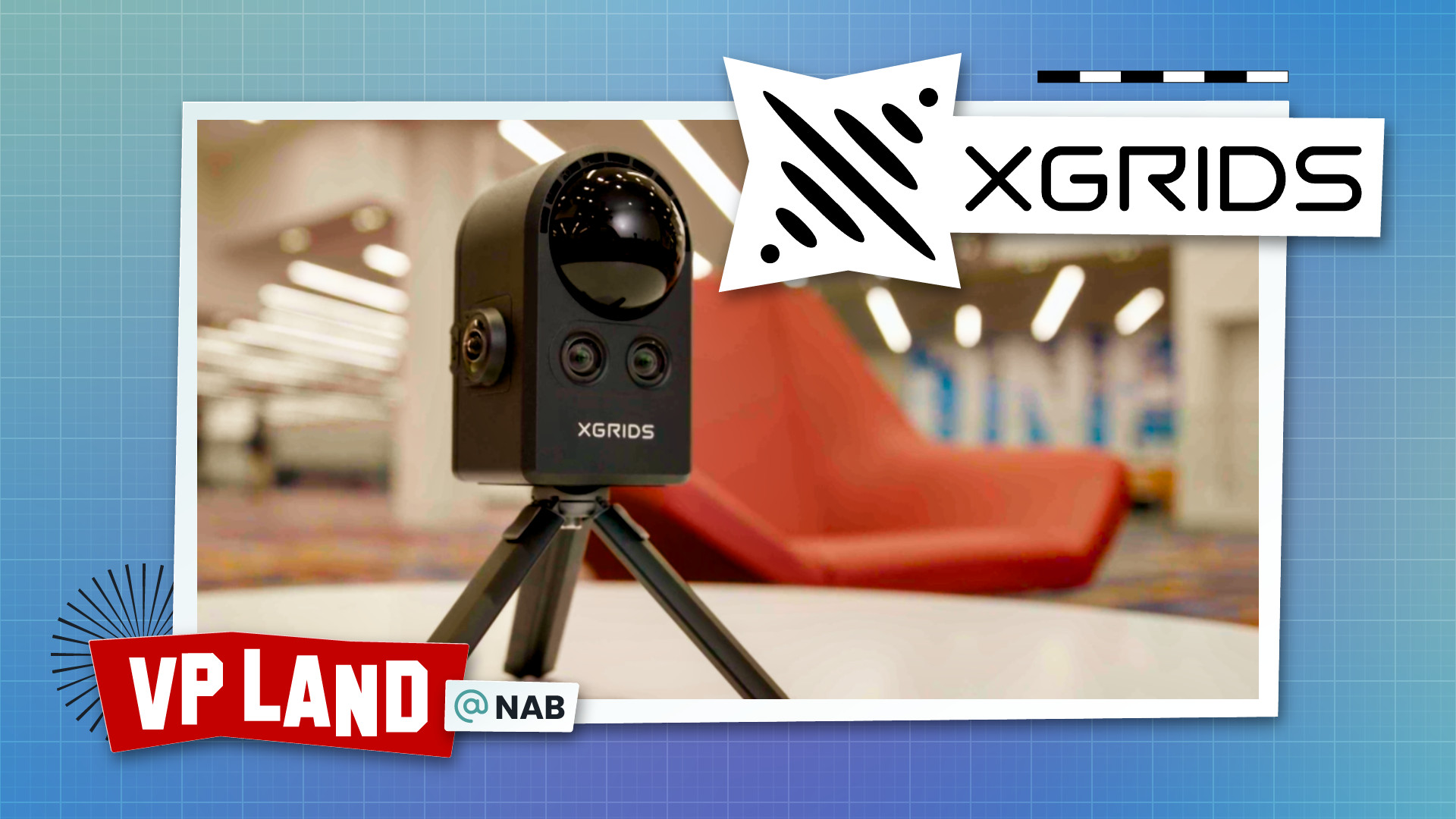
LIDAR provides the geometric skeleton. It measures distances with enough precision to build an accurate point cloud of whatever the device is pointed at. The four-camera array captures color, texture, and visual detail from different perspectives at the same time. The combination means the device captures both the shape and the appearance of objects in a single pass.
Gaussian Splatting Output
The captured data processes into Gaussian Splatting files, a 3D representation format that has gained traction in the computer graphics community for its balance of visual quality and rendering performance. Unlike traditional mesh-based models that require manual cleanup, Gaussian Splatting produces results that maintain detail from the original capture.
The output works in standard 3D workflows. Assets can be imported into game engines, visualization software, and virtual production environments. The format handles complex geometries like organic shapes, vegetation, and reflective surfaces that traditionally challenge photogrammetry.
Object and Environment Capture
PortalCam handles two capture modes. For object reconstruction, users scan individual items like props, products, or architectural elements. The device captures enough data to produce a detailed 3D model suitable for digital doubles, product visualization, or asset libraries.
For environment capture, users scan larger spaces like rooms, sets, or outdoor locations. The resulting 3D assets can serve as virtual production backgrounds, architectural references, or digital twins of physical spaces.
No Large Team Required
XGRIDS positioned PortalCam as lowering the barrier to high-fidelity 3D capture. Traditional photogrammetry rigs require multiple cameras mounted on rigs, controlled lighting, and often a team of technicians. PortalCam consolidates that into a single handheld device.
The tradeoff is capture volume. PortalCam works best for objects and environments that can be scanned from a reasonable distance. Large-scale terrain mapping or stadium-sized environments would still require drone-based or rig-based solutions.
XGRIDS PortalCam combines LIDAR depth sensing with a four-camera array to produce Gaussian Splatting 3D assets from a single handheld device.