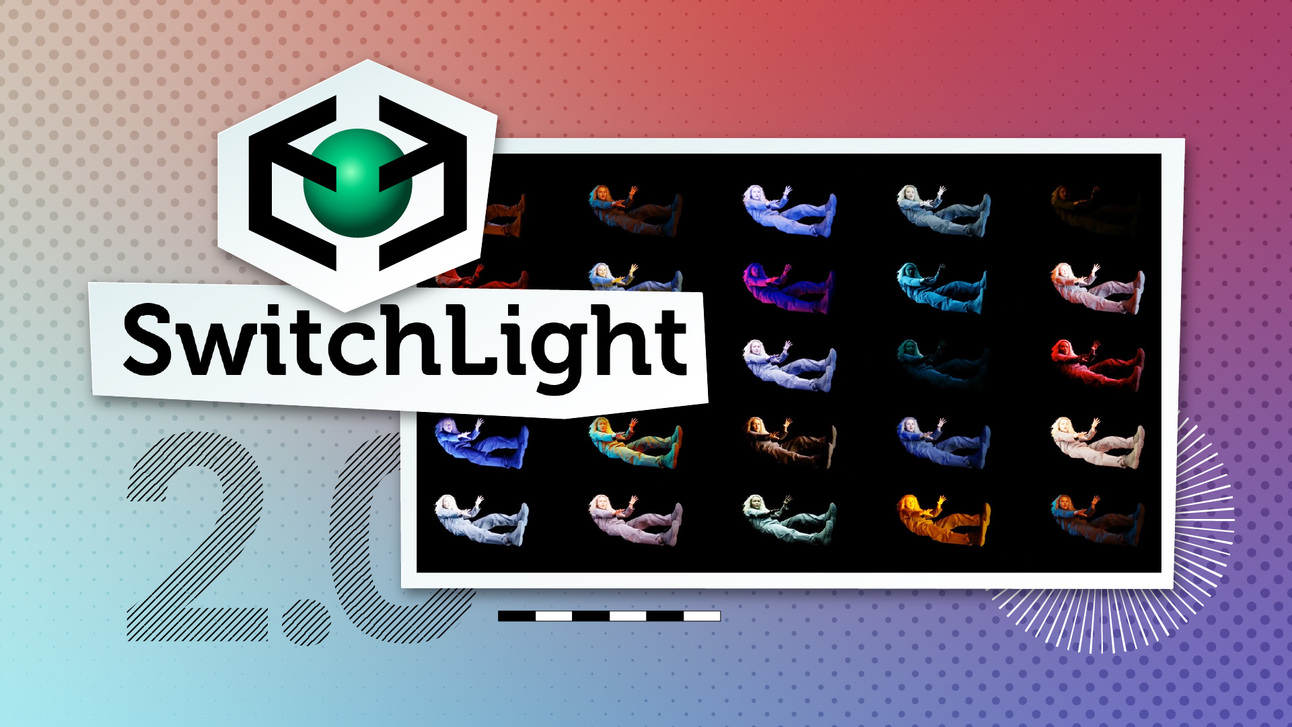
The tool generates comprehensive PBR maps including normal, basecolor, metallic, roughness, and specular information directly from video footage. Users can then relight scenes using HDRIs and various light types—point lights, sun lights, and more—with the same control they'd have in Blender or Unreal Engine.
Technical Capabilities Meet User Accessibility
The platform handles footage that traditionally challenges relighting tools:
Outdoor and low-light scenarios where lighting conditions vary dramatically
Motion-blurred and handheld footage that lacks the stability typically required for precise compositing
2K+ resolution support with consistent results across multiple frames
Direct export compatibility with Blender, Unreal Engine, Nuke, and After Effects
The browser-based Beeble Studio eliminates download requirements, making the tool immediately accessible to creators regardless of their local software setup.
Workflow Integration Focus
SwitchLight 2.0 addresses specific pain points in previsualization, virtual production, and VFX workflows. For creators less familiar with complex 3D lighting tools, the interface enables scene lighting and compositing with minimal technical knowledge.
The platform combines with Beeble's existing generative background feature and 3D editor, positioning the company to deliver what they describe as the first truly end-to-end virtual production experience for both solo creators and larger studios.
Beyond the Hype Cycle
While AI-powered post-production tools continue proliferating, SwitchLight 2.0's focus on complete scene understanding rather than isolated elements addresses a genuine production bottleneck. The ability to maintain lighting consistency across props, environments, and subjects in post-production traditionally requires extensive manual work or sophisticated 3D pipeline integration.
For productions shooting practical locations with limited lighting control, the tool offers a path to achieve consistent visual aesthetics without reshoots or extensive on-set lighting adjustments. This capability becomes particularly valuable for virtual production workflows where lighting continuity between practical and digital elements remains challenging.