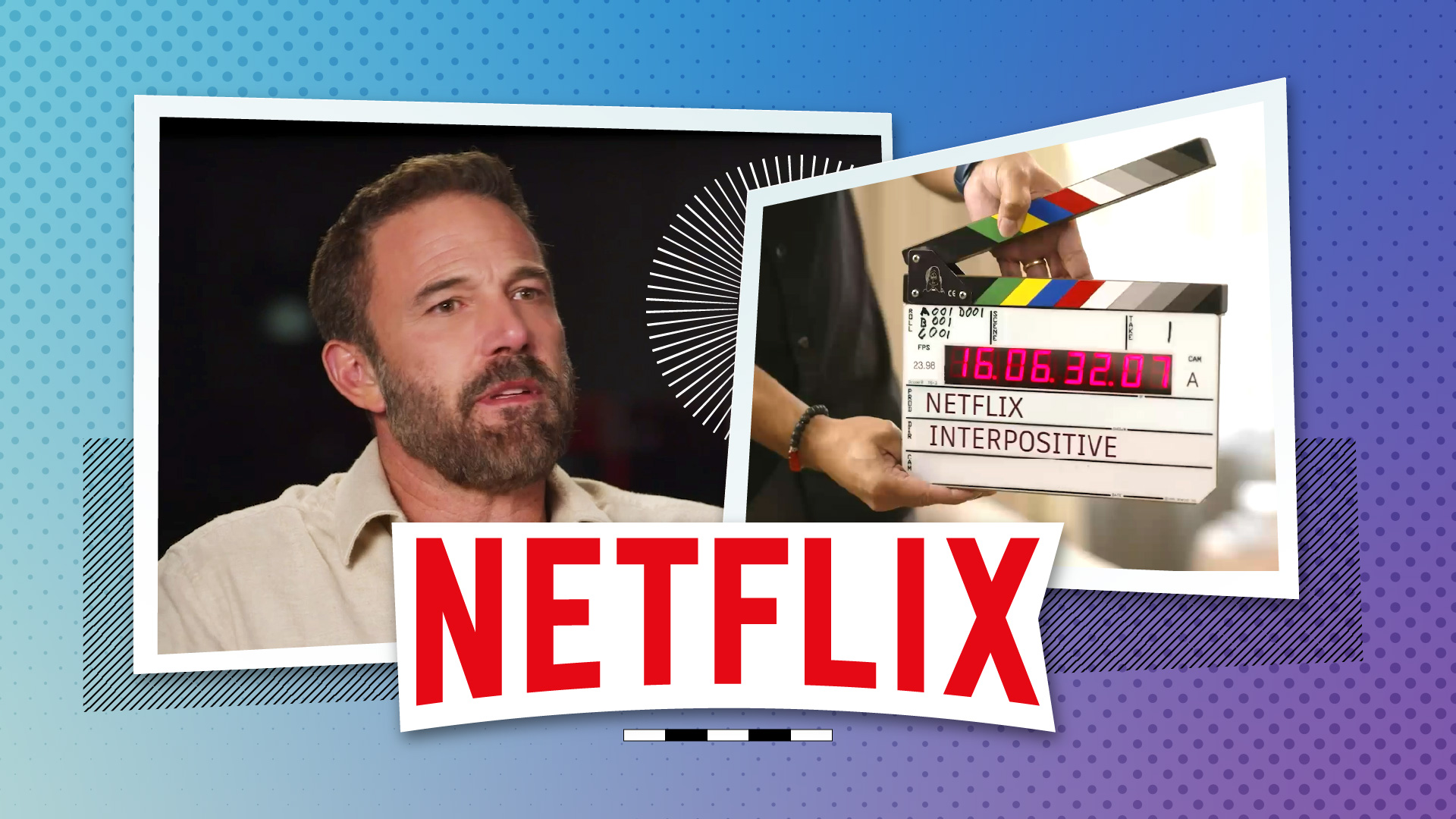
Netflix has acquired InterPositive, Ben Affleck's stealth AI tools startup founded in 2022. The entire 16-person team of engineers, researchers, and creatives will join Netflix, with Affleck serving as a senior adviser to provide ongoing guidance. Terms of the acquisition are not being disclosed.

InterPositive doesn't generate video from text prompts. Instead, it builds an AI model from a production's existing dailies, then lets filmmakers use that model in post-production to adjust color, relight shots, and add visual effects. Netflix will offer the tools to creative partners, not sell them commercially. The approach signals a departure from the "AI replaces labor" narrative: studios are positioning AI as a refinement tool that preserves directorial authority.

The InterPositive Approach: AI Built for Filmmakers

Affleck founded InterPositive after spending 2022 observing the early rise of AI in production. "As a filmmaker, I could see how these models came up short," he said. "For artists to apply these tools towards telling the stories we dedicate our lives to, they need to be purpose-built to represent and protect all the qualities that make a great story."

The system works differently than generative AI video platforms like OpenAI's Sora. "It's not about text-prompting or generating something from nothing," Affleck explained. "AI, people mostly think of it as making something from nothing: 'I'm gonna type something into a computer and it's gonna give me a movie.' That's not what this is."

InterPositive's first AI model was trained to understand "visual logic and editorial consistency," while preserving cinematic rules under real-world production challenges such as missing shots, background replacements, or incorrect lighting. The model learns from a specific production's visual language, then assists in post-production workflows.

Netflix's Positioning: Creative Freedom, Not Replacement

Bela Bajaria, Netflix's chief content officer, framed the acquisition around creative autonomy. "Our relationship with artists has always been grounded in trust: supporting the full range of their creativity and ensuring they have the power to decide how their films and shows are made," Bajaria said. "We believe new tools should expand creative freedom, not constrain it or replace the work of writers, directors, actors and crews."

Elizabeth Stone, Netflix's chief product and technology officer, emphasized that existing generative AI video platforms don't operate from a filmmaker's perspective. "The InterPositive tools are designed to help filmmakers produce higher-quality content," Stone said, "not about making films or TV shows faster or cheaper."

This positioning aligns with what we reported on Netflix's broader AI strategy. The company has been building proprietary AI models for specific production tasks rather than licensing general-purpose generative tools. It also reflects Netflix's generative AI rules for production, which prioritize filmmaker control and transparency. InterPositive represents a deeper investment in that approach: a tool designed specifically for post-production workflows, trained on a production's own visual data.

What This Means for Production Workflows

For filmmakers and post-production teams, InterPositive's integration into Netflix's ecosystem signals a shift in how studios deploy AI. Rather than tools that generate content from scratch, the focus is on AI that understands existing footage and assists in refinement.

Color correction, relighting, and VFX adjustments are labor-intensive post-production tasks that could be accelerated while maintaining directorial intent. An AI model trained on a production's dailies could reduce the time spent on these workflows. Because the model is built from the production's own footage, it understands the visual language of that specific project.

Netflix's decision to offer the tools to creative partners rather than commercialize them suggests the company sees InterPositive as a competitive advantage in production partnerships. Filmmakers working with Netflix will have access to tools their competitors may not, which could influence where major productions choose to work.

The Broader AI Production Landscape

This acquisition reflects a larger trend in how studios are approaching AI in production. Rather than adopting off-the-shelf generative tools, companies are building or acquiring specialized systems designed for specific workflows. We covered Netflix's AI model partnerships before, and this acquisition deepens that strategy.

The emphasis on filmmaker control is also notable. As AI tools proliferate in production, the conversation has shifted from "what can AI do?" to "how do we keep artists in control?" InterPositive's design, which builds models from existing footage rather than generating from prompts, reflects that philosophy.

For the industry, the acquisition signals that studios are willing to invest in AI infrastructure that serves creative workflows, not replaces them. Whether other studios follow Netflix's lead with similar acquisitions remains to be seen, but the pattern is clear: AI in production is moving toward specialization and filmmaker autonomy.

Reply

Avatar

or to participate

Keep Reading