Compositing Workflows Get Structured
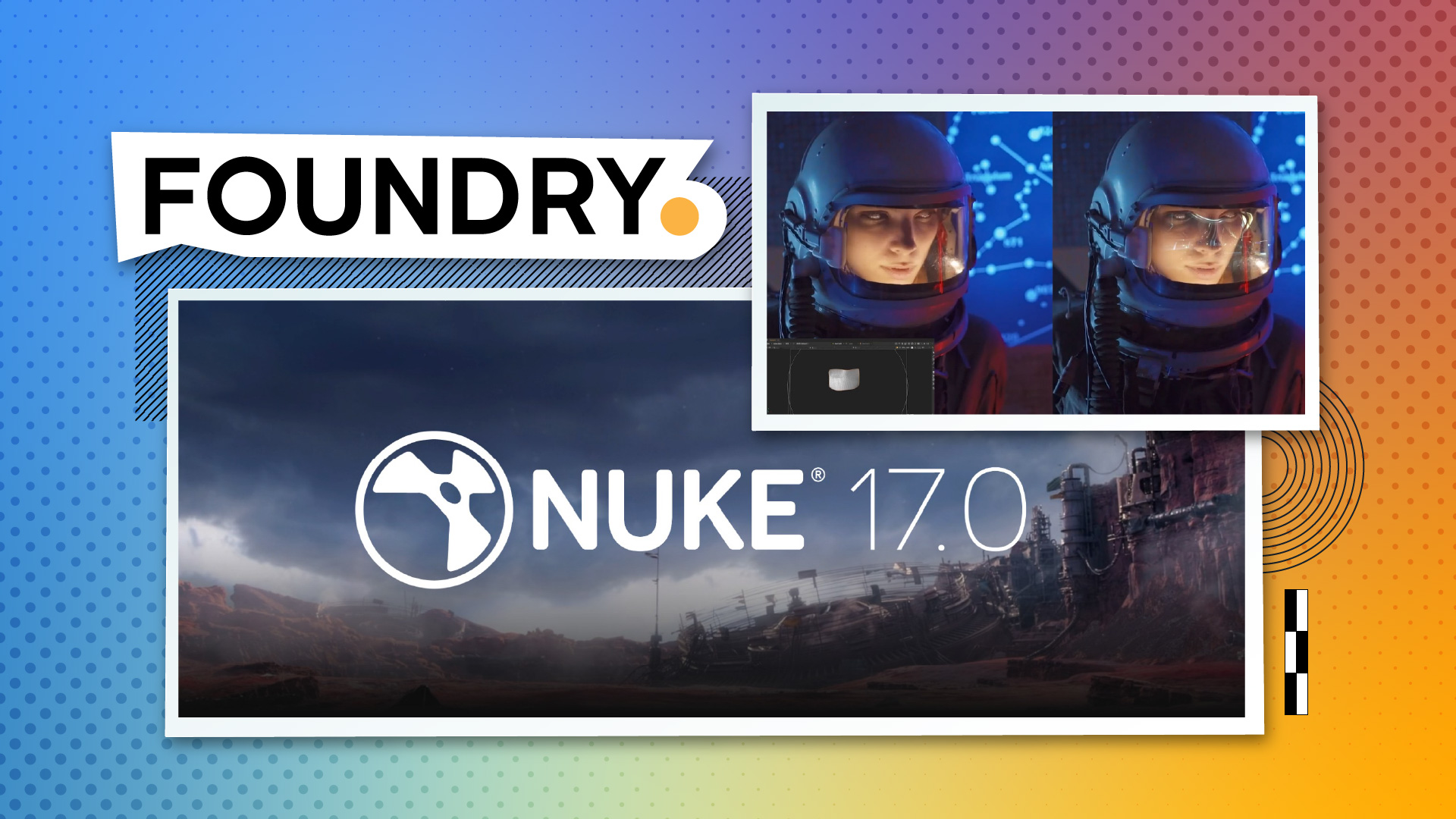
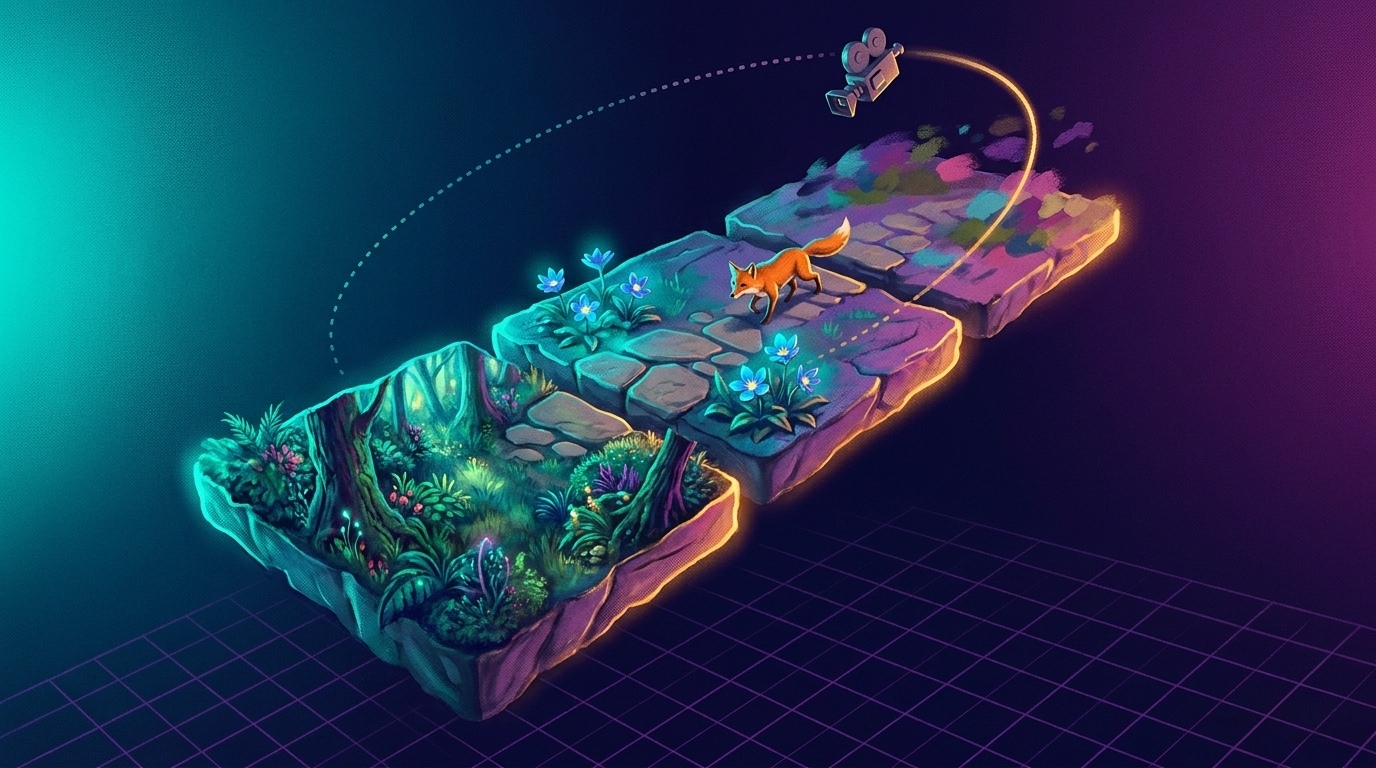
Sebastian Schütt, Lead Compositor at Image Engine, described the practical impact. "The new 3D system in Nuke 17.0 is a shift in mindset that introduces a structured and non-destructive way to organize geometry, lights and materials," Schütt said. "Path-based masking keeps every upstream element accessible at any point in the chain, even at the very end of your setup. You're no longer locked out of individual objects once they're merged, which creates a modular workflow that you have full control over."
For heavy cleanup and matte painting work, the projections and materials tools are positioned as primary workflow components. Materials and shaders can be imported from other software, broadening compatibility across studio pipelines.
Expanded ML Training and Annotation Tools
Nuke 17.0 introduces BigCat ML, a new node optimized for large-scale dataset training across tens or hundreds of shots. The toolset builds on the existing CopyCat ML framework.
The annotation system has been overhauled with redesigned brushes, a dedicated comment panel, and visual indicators to accelerate review cycles. These changes target faster feedback loops in collaborative compositing environments.
Pipeline and Performance Improvements
Additional updates include a Graph Scope Variable System that improves pipeline connections through Python Callbacks and API integration. Core improvements address faster upscaling, Deep composite rendering, and support for higher color gamuts, dynamic ranges, and resolutions. The release supports NotchLC and ACES 2.0 color standards.
Nuke 17.0 aligns with USD version 25.08 and the VFX Reference Platform 2025. Foundry released Nuke 16.1 simultaneously for studios operating on VFX Reference Platform 2024, ensuring backward compatibility for established pipelines.
Availability
Nuke 17.0 is available now for customers with active subscriptions. According to Foundry, Nuke has been used in every VFX Academy Award-winning film since 2007. Juan Salazar, Creative Director of VFX and Animation at Foundry, said: "This release impacts every Nuke artist, giving you the tools to stay ahead of the curve and keep the focus on making incredible images. If you're doing heavy cleanup and matte painting, the new 3D system, projections and materials are going to continue to be your favourite tool. We're also looking ahead — integrating Gaussian Splats and the Field Nodes opens up a new sandbox for artists to play in."