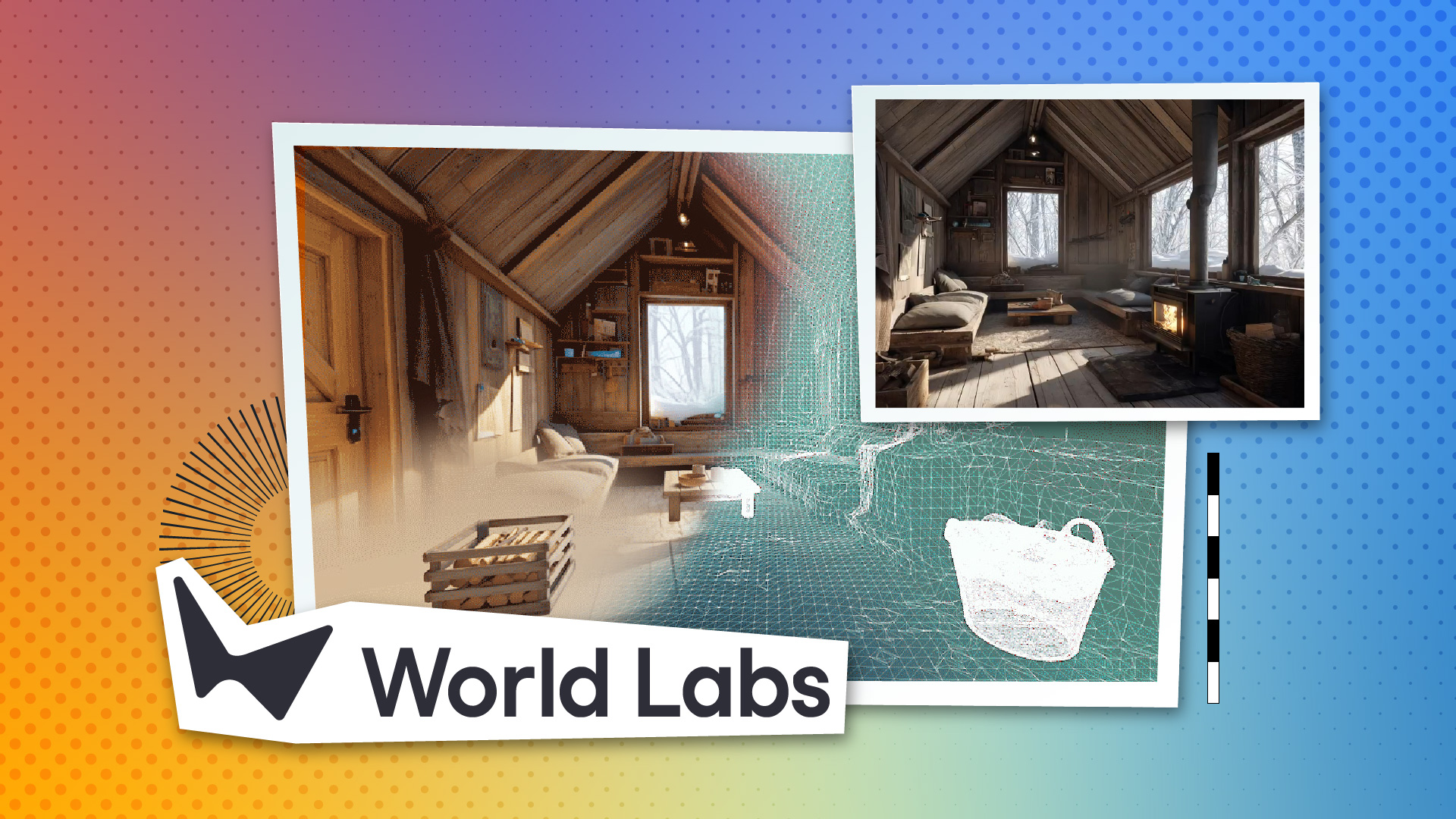
Marble, World Labs' image-to-3D model, builds the geometry and environment from the source image. Claude Code, Anthropic's terminal-based coding agent, runs as the orchestration layer, coordinating calls between the other services and assembling the output. Fal handles the compute and model inference. The result is a scene with rendered meshes, physics-ready geometry, baked lighting, and generated audio.
Why Claude Code is the Glue: Neilson built image-blaster as a Claude Code toolkit, not a standalone app, putting the agent itself at the center of the creative loop.
A developer or technical artist runs Claude Code in their terminal, points it at an image, and the agent chains the API calls, handles errors, and writes the assembly script that produces the final scene. The toolkit form factor means anyone with Claude Code installed can fork the project and modify the pipeline.
This pattern reflects a wider trend in which AI coding agents are treated as a runtime for creative tools, not just IDE assistants.
The startup, founded by Fei-Fei Li, has focused on what it calls "world models," AI systems that produce navigable 3D scenes rather than flat images or video. We covered the company's web-streamable 3D Gaussian Splatting capability as another milestone in that direction. Image-blaster is not endorsed by World Labs. It is a side project from a team member exploring what the underlying model can do when paired with an agentic coding layer. Production teams evaluating Marble for pipelines should weigh the official product, not this experiment, against their needs.
One Image, Many Scenes: Image-blaster sits at the intersection of two trends: image-to-3D generation maturing into usable pipelines, and AI coding agents taking on roles beyond software development.
For VFX artists, previs supervisors, and indie creators experimenting with rapid scene building, the toolkit signals what composable AI workflows can look like outside the major DCC apps. Whether image-blaster itself sticks around or not, the pattern of agent-orchestrated, model-agnostic creative tools is worth tracking.