Seedance 2.0 Mini, a lighter variant of ByteDance's Seedance 2.0 video model, is now available, generating clips at roughly twice the speed and about half the cost of the standard model while holding characters, wardrobe, and visual style steady across multi-shot sequences.
Roughly twice the speed of Seedance 2.0.
About half the cost of the standard model.
Multi-shot consistency for characters, wardrobe, and visual style.
Twice the speed and half the cost of standard Seedance 2.0
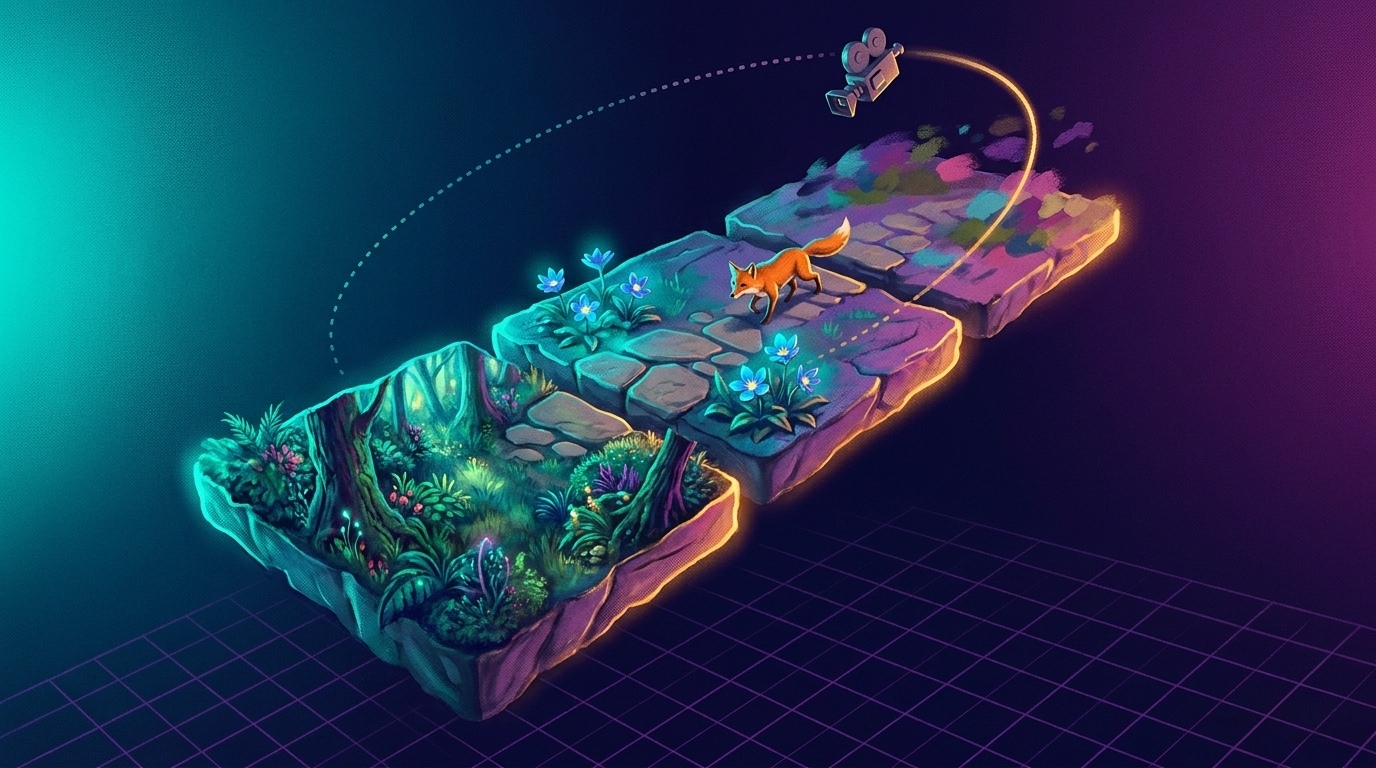
Seedance 2.0 Mini trades some of the full model's overhead for throughput. It runs at approximately twice the speed and roughly half the cost of standard Seedance 2.0, positioning it as the iteration tier in the family. Teams working a shot can run more generations for the same spend, then move heavier work to the standard model once the framing lands. The Mini variant joins the existing Seedance 2.0 options we covered at launch.
Multi-shot consistency carries over from the full model
The capability that defined Seedance 2.0 stays intact in Mini: it maintains consistent characters, wardrobe, and visual style across multi-shot sequences. For narrative work, that continuity is the difference between a usable sequence and a set of clips that drift between cuts. Keeping a character on-model across shots is one of the harder problems in AI video, and Mini holds that line at a lower price point. It is a problem competitors are chasing too, including Kuaishou's Kling 3.0, which built native multi-shot video and audio into its own release.
A fast-moving Seedance lineup from ByteDance
ByteDance has been widening the Seedance 2.0 family rather than replacing it. We covered the model's move to official 4K output alongside the company's tease of Seedance 2.5, which it says can generate 30-second clips in a single pass. Mini fits that pattern, adding a tier tuned for cost and speed next to options aimed at final quality. The result is a lineup creators can sort by what a given shot needs.