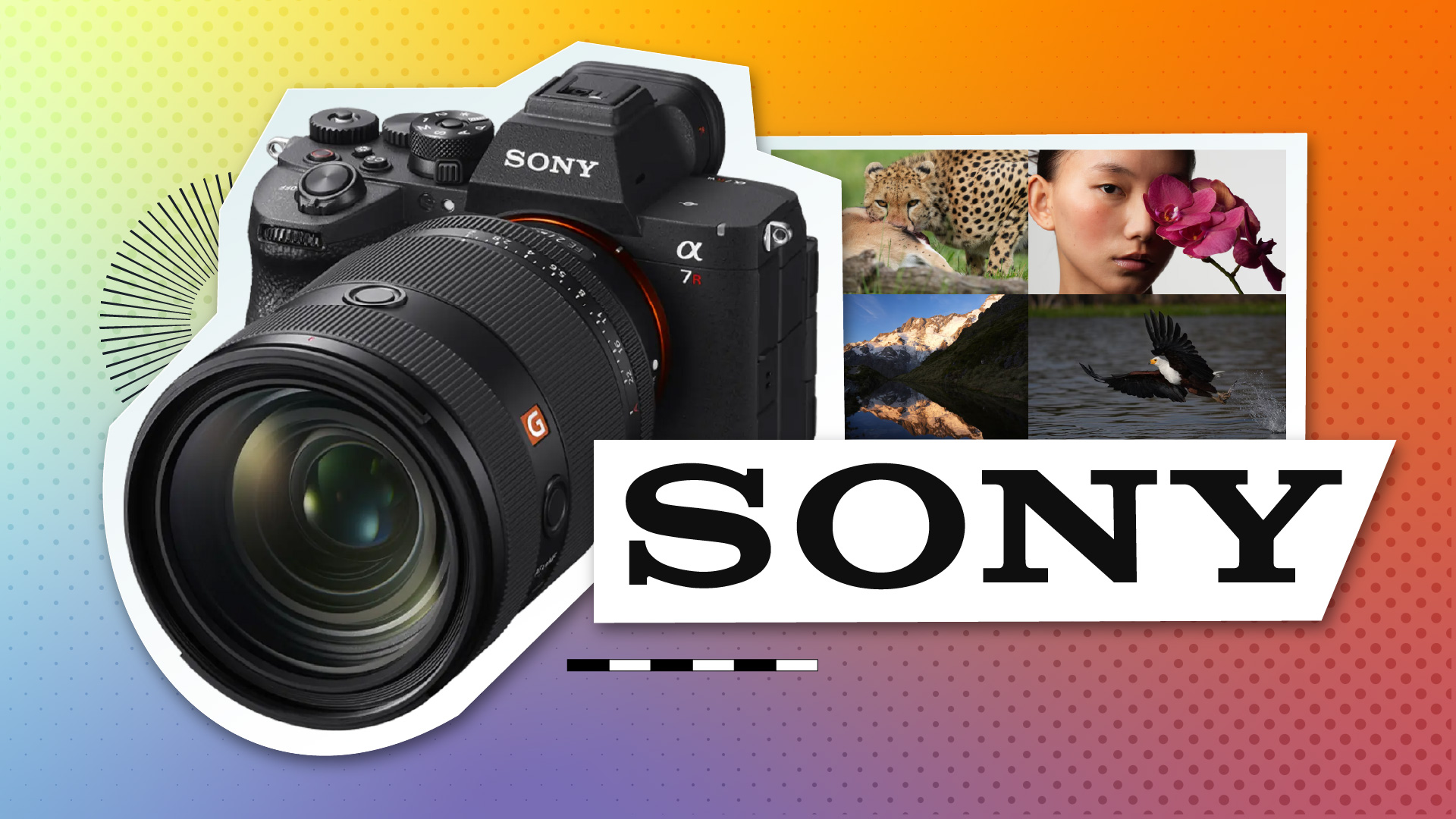
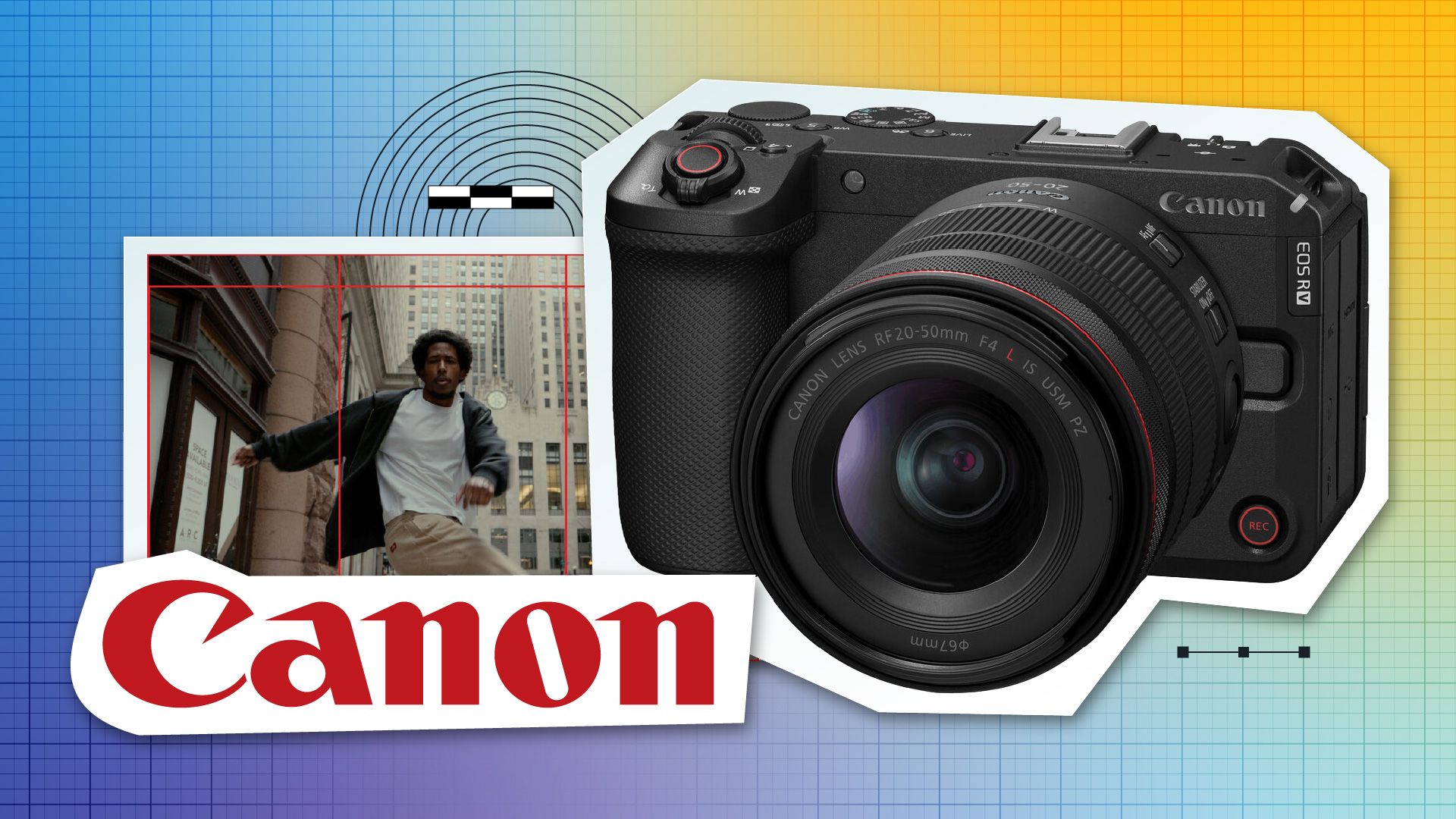
Sony's PR materials position the camera at the photography end of the hybrid market, but the video spec sheet puts it directly into competition with Canon's EOS R5 Mark II for the pro-hybrid mirrorless segment, where high-resolution stills, internal 8K, and 4K 120p have become table stakes.
BIONZ XR2 and the AI Unit
The BIONZ XR2 image processor is paired with an integrated AI processing unit driving Real-time Recognition AF. Sony's subject detection now uses skeletal-based human pose estimation, allowing the camera to track a subject across complex movement and partial occlusion. AF calculations run up to 60 times per second during continuous shooting.
The same processor backs the camera's continuous shooting buffer. Sony rates the A7R VI at up to ~215 JPEGs or 65 compressed RAW frames at 30 fps when shooting to CFexpress Type A.
Sensor-Level Dual Gain and Heat Management
The video implementation pushes past what previous A7R bodies have offered. The A7R VI records 8K 30p with 8.2K oversampling in 4:2:2 10-bit, full-frame 4K 60p, and uncropped 4K 120p for slow motion. Sony added Dual Gain Shooting at the sensor level, a dual native gain implementation that optimizes noise, shadow detail, and dynamic range across the ISO range.
Heat management is the other shift. Sony quotes up to ~120 minutes of 8K recording, putting the camera into territory that previously required external recorders or stepping up to a dedicated cinema body. Stabilization has been redesigned, with IBIS rated up to 8.5 stops at the image center and around 7 stops at the periphery, plus a Dynamic Active Mode tuned for handheld video.
Viewfinder, Body, and Power
The EVF jumps to 9.44 million dots with HDR support and wide DCI-P3 color gamut coverage, paired with a 4-axis multi-angle rear LCD. The magnesium-alloy body includes illuminated rear buttons for low-light operation and dual USB-C ports that allow simultaneous charging and data transfer.
The camera is the first Sony body to use the new NP-SA100 battery, rated at approximately 710 shots via the LCD or 600 via the EVF on CIPA testing. Storage is handled by dual card slots with CFexpress Type A and SD UHS-II support.
XLR-A4 Adapter Adds 32-Bit Float Audio
The launch is paired with the new XLR-A4 XLR adapter, which enables 32-bit float audio recording for productions that need clipping-resistant capture without external mixers. The adapter is priced at USD $779.99 and ships alongside the body in June 2026.
Sony also released a set of accessories for the body: the Vertical Grip VG-C6 ($459.99), Battery Charger BC-SAD1 ($139.99), DC Coupler DC-C2 ($149.99), and the new NP-SA100 battery ($119.99).
What This Means for Hybrid Pros
At $4,499.99, the A7R VI is priced to compete head-on with Canon's R5 Mark II in the pro hybrid market, where the buying decision usually comes down to system lock-in, lens preference, and the specifics of each body's video pipeline. Sony's pitch is the stacked-sensor readout speed, the AI unit's skeletal tracking, and a video toolkit that now reaches uncropped 4K 120p and 8K 30p without dropping the high-resolution stills capability that defines the R line.
For working professionals, the practical questions are familiar ones. Real-world rolling-shutter performance at 30 fps electronic capture, sustained 8K recording behavior in production heat, the 32-bit float audio workflow through the XLR-A4, and how the new pose-estimation AF holds up on demanding subjects will all matter more than the spec sheet once cameras ship in June 2026. The hardware is now in place for the A7R line to be a serious option for action and video work, not only landscape and studio shooters.