← All stories

GENERATIVE AI

Claude Cowork: Claude Code Without Terminal

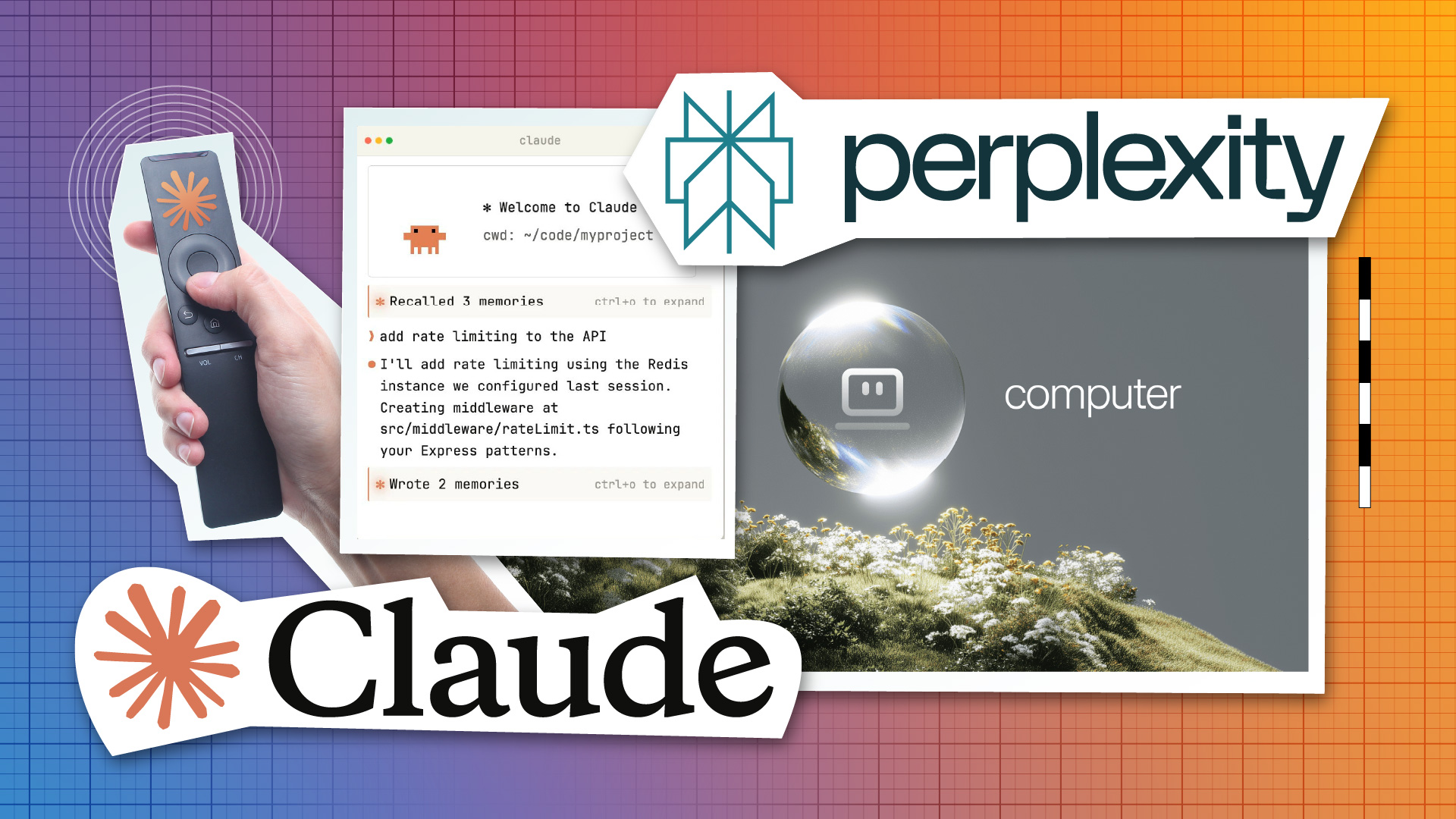
Anthropic brings Claude Code capabilities to non-developers with Cowork. Anthropic released Cowork , extending Claude Code's autonomous file-handling capabilities to non-technical users. The feature lives in Claude

sync. Launches react-1 for Performance Editing

sync. launched react-1 , a ten-billion-parameter masked video diffusion model that lets editors change an actor's on-screen performance—emotion, facial expressions, head movement, and timing—without reshoots, us

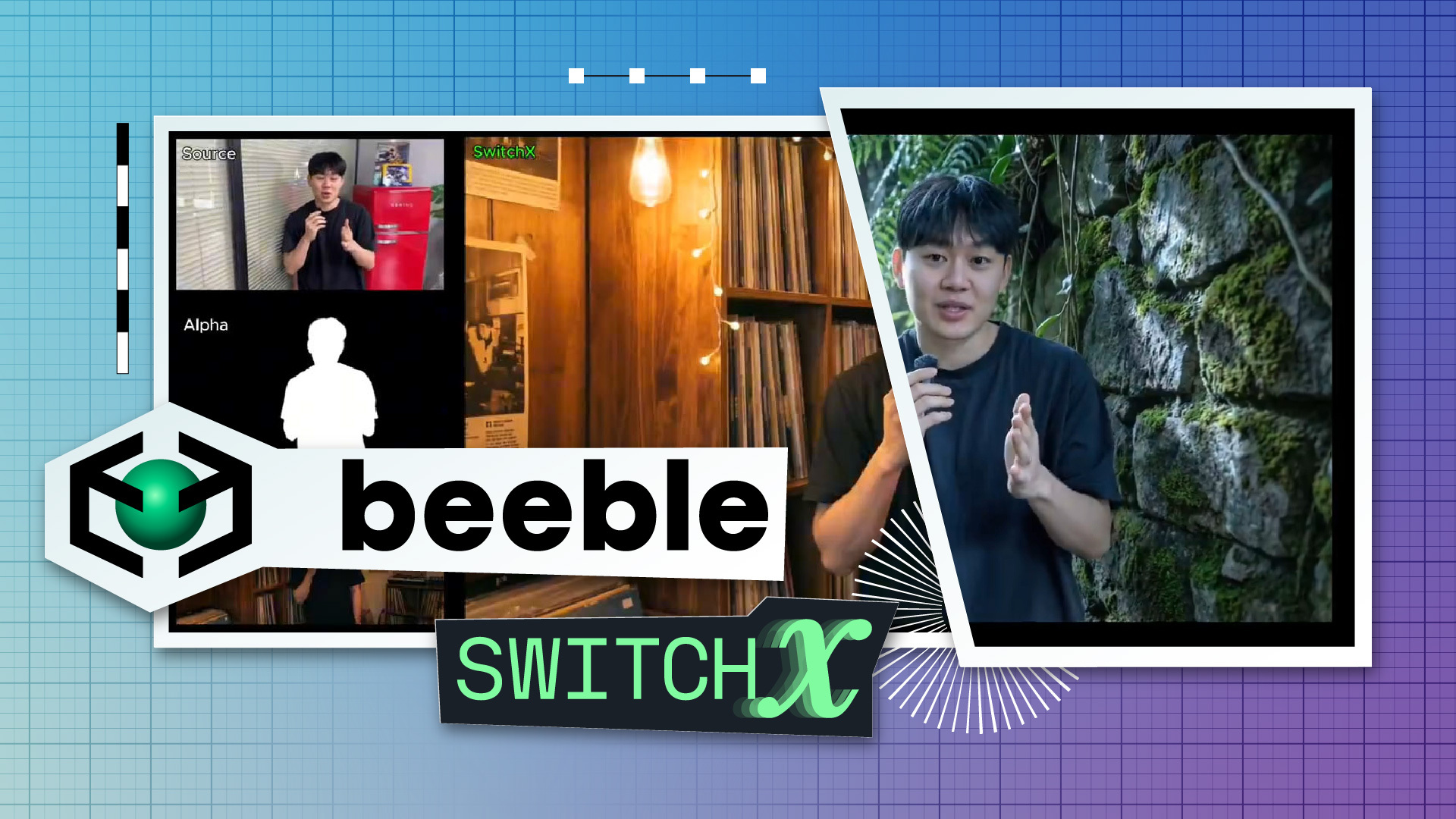
AI relighting goes local with Beeble Studio

Beeble launched Beeble Studio , a new desktop app that runs its SwitchLight 3.0 AI relighting model directly on your GPU, bringing 4K video-to-PBR relighting, unlimited local rendering, and multi-channel 16-bit EXR out

Alibaba Demos 20 FPS Real-Time AI Avatars

Researchers from Alibaba and Chinese universities unveiled Live Avatar , a 14-billion-parameter diffusion system built to generate audio-driven avatar video in real time at 20 FPS—and sustain it for over 10,000 seconds w

LTX Retake Lets You Modify Specific Video Sections

LTX launched Retake , a tool that lets you modify specific frames from existing videos without regenerating the entire clip. Works on any video - Retake can modify existing videos regardless of how they were cre

Kling 2.6 Adds Native Audio Generation

Kling launched Kling 2.6 with native audio generation, producing synchronized visuals and sound in a single pass. Key Details Native audio integration - The model generates natural voice, action sound effects, and environme

ByteDance's Seedream 4.5 Levels Up Text and Quality

ByteDance's Seedream 4.5 Levels Up Text and Quality December 05, 2025 ByteDance released Seedream 4.5 , a scaled-up version of its image generation model that focuses on better typography, multi-image editing, and preserving fine details from reference images. Key improvement

Runway Gen-4.5 Targets Complex Motion

Runway has introduced Gen-4.5 , a video generation model that reportedly takes the top spot on the Artificial Analysis leaderboard with improved physical accuracy and prompt adherence. The update refines the previous archite

Kling AI Launches Kling O1 Unified Video Model

Kling AI has officially launched Kling O1 , a new AI video model that unifies generation and editing capabilities into a single multimodal system. The release positions the model as a "one-stop solution" d

TwelveLabs Marengo 3.0 Targets Production Scale

TwelveLabs launched Marengo 3.0 , a video understanding model designed for production deployment rather than benchmark optimization. The company claims it's 6x more storage-efficient than Amazon Nova while proc

Alibaba Releases Open Source Z-Image

Alibaba’s Tongyi-MAI team has released Z-Image , a new open-source image generation model family featuring a 6-billion parameter architecture designed for high efficiency on consumer hardware. Key Details Speed & Efficiency:

MotionStream: New AI Video Tool Lets You Guide Motion

A new research tool called MotionStream addresses one of the most persistent frustrations with AI video generation: real-time control . The system processes motion guidance in real-time, giving you quick feed

Google Veo 3.1 Adds Camera Controls

Google rolled out camera position and camera motion controls in Veo 3.1 . The update lets users adjust camera direction and movement after generation. — (@) Post-generation camera controls let you modify camera direction

CamCloneMaster: Clone Camera Moves from Reference Videos

Researchers have released CamCloneMaster , a framework that lets you control camera movement in AI-generated video by showing it a reference clip rather than specifying camera parameters. According to the

Black Forest Labs Releases FLUX.2 Models

Black Forest Labs released FLUX.2 , an update to their family of image generation models designed for production workflows, with GPU optimizations developed alongside NVIDIA and ComfyUI that cut VRAM requirements by 40% a

Tencent's Open-Source Video Model Goes Lightweight

Tencent's Open-Source Video Model Goes Lightweight November 25, 2025 Tencent released HunyuanVideo 1.5 , an open-source AI video generation model with just 8.3 billion parameters—designed to run smoothly on consumer-grade GPUs rather than requiring expensive cloud credits or

WorldLabs Launches Marble 3D World Generator

WorldLabs launched Marble , a multimodal generative world model that creates interactive 3D environments from text, images, video, or custom 3D layouts. After two months of private beta, the platform is now publicly a

Meta's SAM 3D Converts Photos to Editable 3D Models

Meta's SAM 3D Converts Photos to Editable 3D Models November 22, 2025 Meta launched SAM 3D , a suite of AI models that converts 2D images into detailed 3D reconstructions—objects, scenes, and human bodies from single photos. Key Details: From photos to explorable 3D - Upload

Nano Banana Pro Brings 4K & Real-World Knowledge

Google launched Nano Banana Pro , an upgrade to their popular model with major improvements in text rendering, composition control, and studio-quality editing. What's improved from the original Nano Banana: Be

Comfy Cloud Opens Public Beta

Comfy Cloud , the browser-based version of ComfyUI, has opened its public beta after operating under a waitlist. The service lets users run ComfyUI workflows entirely in the cloud, removing the need for local hardware or installatio

Freepik Launches AI Canvas For Teams

Freepik launched Spaces , a collaborative AI creation platform where teams can build, share, and run node-based workflows on an infinite real-time canvas. Key Details: Node-based workflow system - Teams construct reusable wor

Runway Launches Node Based Workflows

Runway launched Workflows , a visual node-based system that lets you chain multiple AI models into custom pipelines—eliminating manual exports and uploads between tools. Introducing Workflows, a new way to build your own tools

Train Custom AI Models on Runway

Runway is introducing Model Fine-tuning , a new self-serve feature that will allow users to customize its generative models using their own datasets. The feature aims to solve the problem of general-purpose models failing to meet