GENERATIVE AIOmniHuman 2.0 Is BytePlus' New Avatar Model for Five-Minute, Audio-Driven Performances
VP LandOct 25, 2026 · 3 min read
BytePlus launched OmniHuman 2.0, an avatar video generation model that turns a single image and an audio track into up to five minutes of performed video in one continuous shot, according to its OmniHuman product page and launch announcement. For talking-head spots, dialogue scenes, and music videos built on AI avatars, a monologue or song up to five minutes long can render as one take instead of a series of 60-second clips.
- Five-minute continuous takes. BytePlus says output runs up to five minutes in a single shot, up from 60 seconds, with no stitching required. The product page lists a 30- to 300-second output range.
- Lower per-second price. BytePlus says the price drops from $0.12 to $0.07 per second, which it frames as more than 40% cheaper. A full five-minute take works out to $21.
- Native 720p output. The product page lists support for native 720p-resolution video output.
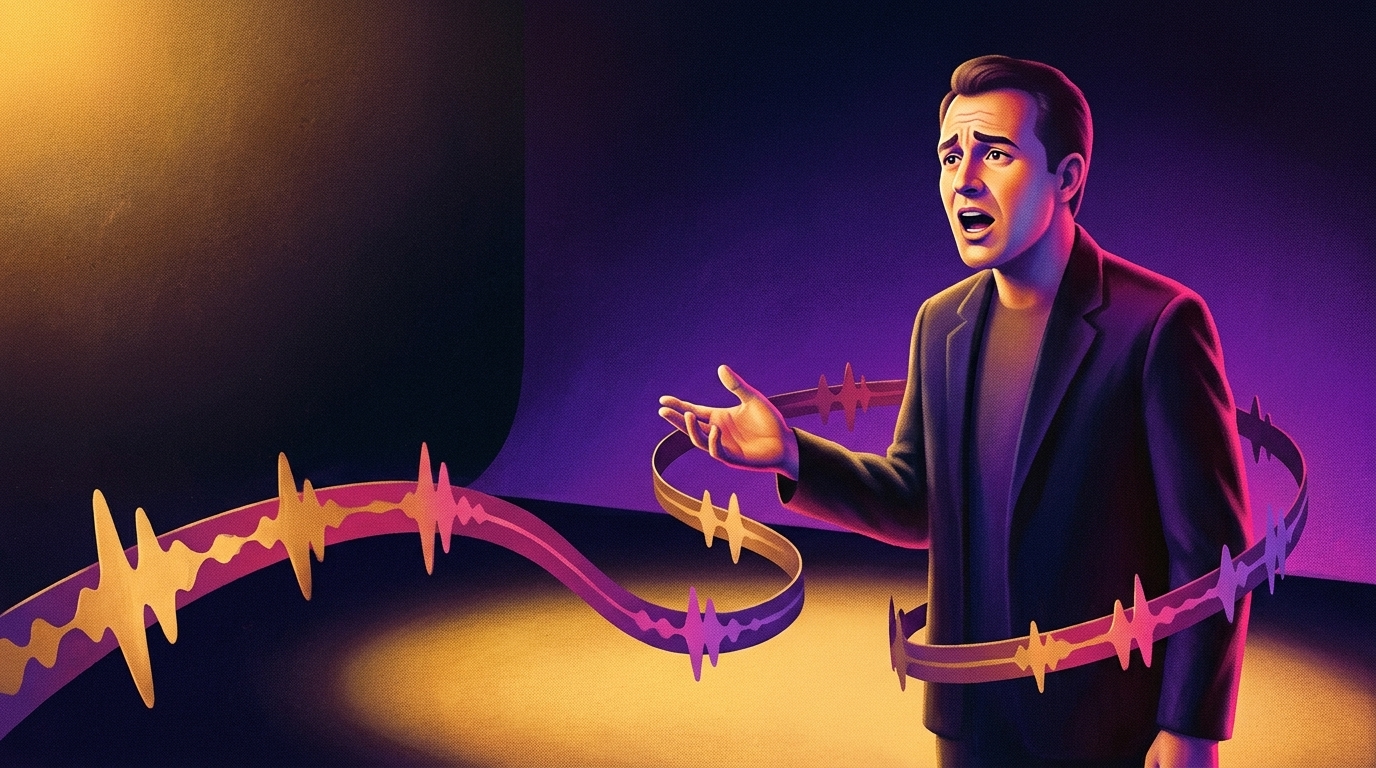
- Audio shapes the performance. BytePlus says the model reads the tone, emotion, and words in speech, music, or dialogue, then performs them.
- Text prompts are optional. Prompts add control over camera movement, gestures, actions, and objects in the shot.
BytePlus says speech rhythm, tone, and words shape gestures and expression from one still image
OmniHuman 2.0 takes one reference image and a voice or music track, with an optional text prompt. BytePlus says the resulting animation stays coherent with the audio's rhythm, prosody, and semantic content.
In its launch post on X, BytePlus said the model "reads the tone, emotion, and every word" of a track before performing it. "Every syllable lands," the company wrote.
The product page describes several performance types:
- Singers. BytePlus promises "soulful digital singers" with natural pauses across genres, from intimate ballads to energetic concerts, including high-pitched vocals.
- Dialogue. Digital actors whose gestures and emotional shifts follow the intent of the words, which the company describes as cinematic performances.
- Multi-person scenes. The page lists multi-person performances alongside camera and body movement.
- Audio-semantic actions. Characters perform actions related to what the audio says.
The page calls OmniHuman 2.0 "the best image-driven video avatar model," a claim it does not support with comparison figures. The performance descriptions above are BytePlus's own characterization, and no independent tests appear in the source material.
Text prompts add camera moves, gestures, and elements missing from the reference image
BytePlus says prompts give control over object generation, camera movement, and specific actions. Its showcase includes effects and elements added through prompts that do not appear in the source image, plus characters interacting with their environment.
Subject range extends beyond realistic humans. The page shows cats and dogs, 3D-style and non-humanoid characters, cartoon and anime characters, and pixel-style visuals.
For reference material, the product page points to a tech report and showcase, whose URL points to a v1.5 page, along with a prompt guide for writing effective prompts.
The model still starts from a single image of a subject. BytePlus positions it as an avatar performance model, and the page does not describe it as a general scene or shot generator.
At $0.07 per second, a five-minute 720p take costs $21 through the API
OmniHuman 2.0 is offered through BytePlus's API, with developer documentation for OmniHuman 2.0 and console access.
The pricing section shows two listings. The $0.07-per-second listing carries the 2.0 features: 30- to 300-second output, camera and body movement, and multi-person scenes. A second listing at $0.12 per second covers lip-synced avatar videos from a single image and an audio file.
BytePlus lists e-commerce, advertising, brand marketing, short video, film and TV, AI music videos, and UGC content as use cases. BytePlus says takes up to five minutes need no stitching, where the previous 60-second limit meant joining segments for longer music videos and dialogue.
For film and TV use, the product page lists native 720p output and no higher native resolution.