Plot Party's Sophia Xing Breaks Down the AI Workflows Reshaping the $20B Microdrama Industry
VP Land
Aug 4, 2026 · 5 min read
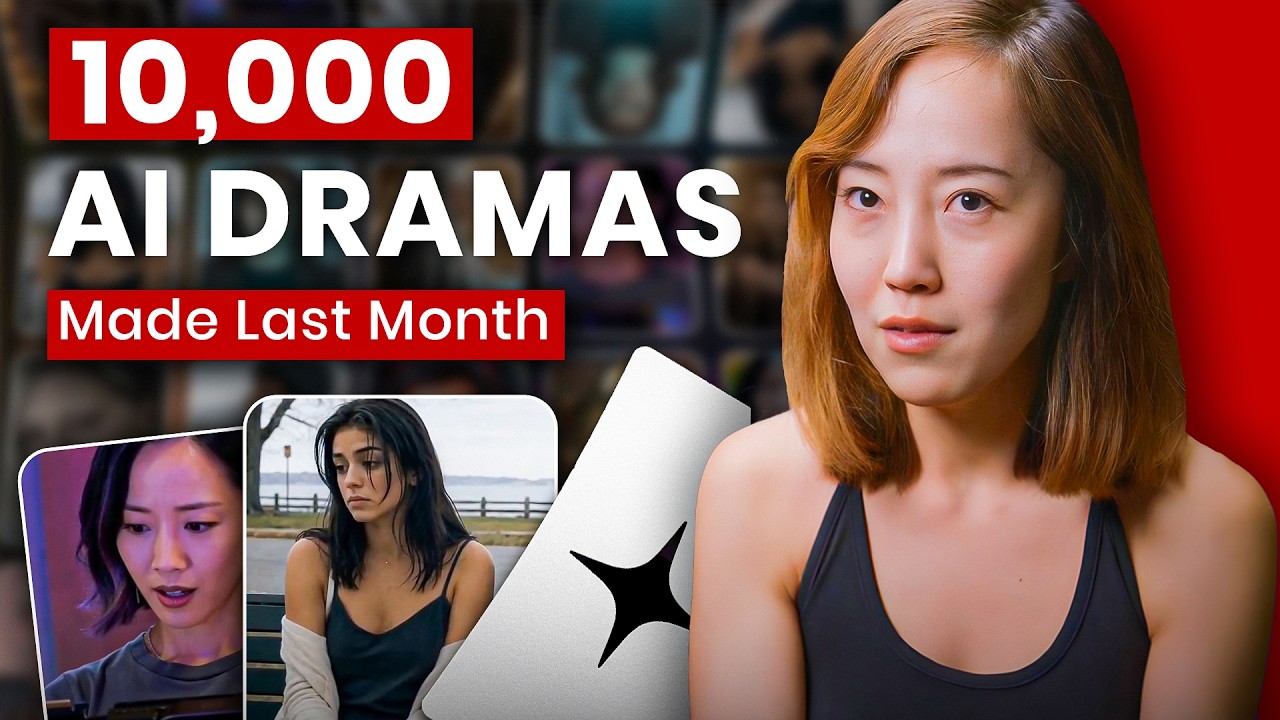
More than 10,000 complete AI-made dramas were published in one month, mostly in China, India, and Southeast Asia, according to Sophia Xing, founder of Plot Party. Her company runs a self-serve platform for making AI microdramas, produces its own shows, and adds AI-generated sets, crowds, and set pieces to live-action shoots that budgets can't otherwise cover.
In this episode of Inside the AI Studio, shot at AI on the Lot, we talked with Sophia Xing, founder at Plot Party, about the economics of vertical microdramas and how much of what viewers watch is already AI.
Hybrid shoots fill budget gaps. Studios generally shoot expensive scenes like banquets and crowd shots against green screen, then Plot Party adds sets, extras, costumes, and product placements with AI.
Viewers pay above streaming prices. Many viewers pay over $20 a month for microdrama apps, more than they would for Netflix or Hulu, by Xing's account.
Characters beat synthetic stars. Xing doubts fans will follow AI-generated actors, but companion chats with a show's characters could keep viewers engaged after the finale.
10,000 fully AI-made dramas landed in one month
Xing traces microdramas to China around 2019 and 2020, where the format grew "from nothing to now a $20 billion industry," and AI-made titles are now "taking over really fast."
The 10,000 figure counts complete dramas, not episodes. The US, Latin America, and Europe are next in line.
The classic format runs 1- to 2-minute episodes built for vertical, mobile-centric viewing, though some microdramas are moving into horizontal framing and running longer.
AI is also widening the range of stories beyond the format's romance-heavy roots, and Xing laid out the new mix genre by genre:
Traditionally these are more romance-forward ones, but with AI we're seeing awesome romantic period dramas, science fiction, horror. We're seeing some comedy as well, a lot of animation.
Paywalls sit several episodes into the story
Xing's most recent US figure, which she called probably outdated, has over 20% of adults who go online watching microdramas daily. Some of the top platforms made close to $1 billion each in a year, and many viewers pay over $20 a month for these apps, more than they would for Netflix or Hulu.
Success is measured mostly in views, because views track revenue so closely. Xing traced how the scripts are built to carry viewers to the payment gate:
Views are usually a good proxy for monetization because oftentimes the payment gate is several episodes in. And when people are really bought into the story and they're usually engineered in a really smart, deliberate fashion where something's building up, someone is getting wronged, and finally they're about to reveal to the world that there's someone awesome and then you have to pay.
Discovery mostly happens on Facebook and TikTok, which push viewers toward the paid apps. Both platforms are also building microdrama offerings of their own, through standalone apps and inside their main apps.
Green screen moves the expensive shots into post
Xing describes Plot Party as an applied AI company. Her team evaluates video, image, and audio models alongside in-house models, then matches them to the problems live-action microdrama studios struggle with or need extra help with.
Most of those problems come down to money, and Xing listed the shots that tight budgets put out of reach:
Renting a set is really expensive depending on what set you're trying to have, right? If you're trying to do a banquet scene with a large function room, that's really expensive. Filling up the room with extras, that's also really expensive. If you want a helicopter landing scene, if you want a car chase, if you want an aerial shot of a valley, all of that is super expensive.
Many of those shots are "not possible because of the very restrictive budgets that microdrama creators have." The work sometimes starts in pre-production, where Plot Party asks which shots a studio needs, picks models for them, and advises on how to shoot on the day so the AI work holds up.
Studios generally film those scenes "in front of a green screen and send it to us later," and the AI production happens on top. Set transfer can move footage of two people sitting in a room to "a spaceship or whatever we want," and costume changes and product placements are also possible.
Hybrid shoots are one of two modes; in the other, "completely AI native" mode, "the entire drama is generated with AI." Most studios producing full shows with Plot Party started on its self-serve platform, which anyone can try, and the company also develops first-party shows with writers, including remakes of classics.
Companion chats keep fans with the characters
Franchises remain rare. Xing has seen sequels built on a recurring world in only a couple of Chinese titles, mostly dystopian science fiction and some period dramas, while US releases are still largely standalone dramas.
Some microdrama actors are starting to build their own social followings, so fans know the performer behind the mafia boss, not just the role. In Xing's reasoning, a generated face, even one posting gym and smoothie content, lacks the uncertainty that draws fans to a real person, from career moves to who they're dating, so her verdict on synthetic performers is "AI-generated actors, probably not, but AI-generated roles will."
Roles could work differently, with the drama at the center of other experiences. Xing sketched how that could look:
Something that could be really interesting is if we think about the vertical drama as the center of the universe, and you can actually have a lot of auxiliary experiences around it. So a vertical drama, very naturally, someone after watching it, if they like the character a lot, they can have more companionship kinds of features towards it. They can have some more collection games affiliated with it.
In practice, that could mean starting a chat with a character from a show you finished. These dramas usually end with "a pretty happy ending," so viewers tend to finish with characters they like.
Platforms trying this are seeing better retention than some drama-only platforms, according to what Xing called word on the street.
Six months to a mostly AI-made vertical market
Within six months, not a year, Xing expects that the "absolute majority of all verticals will be made with AI, either hybrid AI or completely made with AI."
Romance dominates the familiar vertical categories. Xing sees that mix breaking open wherever mobile audiences are:
All of these subgenres that traditionally don't have any content in them will be filled with vertical content. As long as the audiences are natural to using the device of a mobile phone, the content will be made.
The full conversation with Xing, including the golden retriever romance Plot Party is developing as a first-party show, is in the episode above, and every past guest is on the Inside the AI Studio page.
Christy Anzelmo says AI has reversed the way visual effects artists work. Instead of building an image step by step and refining as they go, compositors now start from the result they want and trace back to the data o…
Caroline Ingeborn thinks the AI industry sold creatives the wrong idea when it pushed them to become prompt engineers. The chief operating officer of Luma argues that skilled filmmakers should talk to an agent the way…
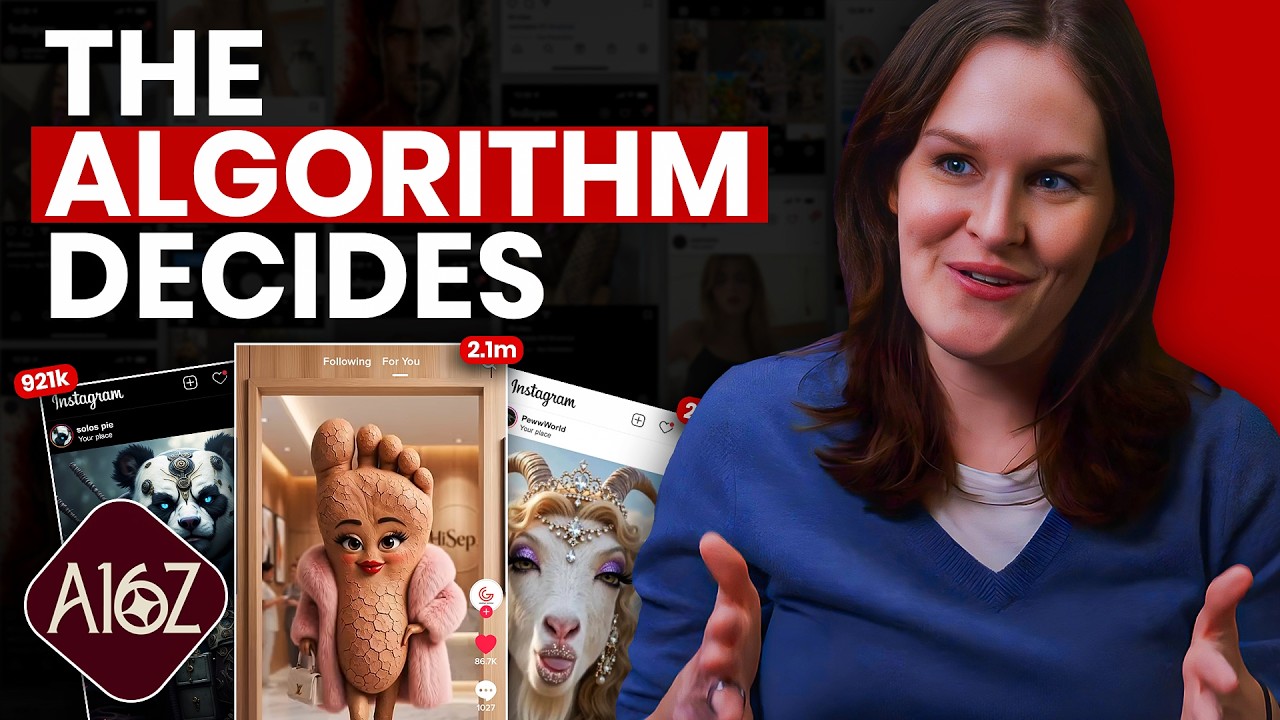
AI models can take an image, generate an audio track, cut it into a video, and lip-sync a character in one automated pass. What they still can't do, according to Justine Moore, is judge whether any of it is good.