PRODUCTION & POSTTopaz Labs Launches Hyperion 2.5 to Convert 8-Bit Video to 10-Bit ProRes and 16-Bit EXR HDR
VP LandAug 21, 2026 · 2 min read
Topaz Labs has released Hyperion 2.5, a new video model that converts 8-bit SDR footage into 10-bit ProRes or 16-bit EXR. The release gives colorists and VFX artists more data to push in a grade or composite, targeting the gap that keeps generative-AI footage out of high-bit-depth finishing.
- 8-bit in, HDR out. Topaz says the model transforms 8-bit SDR input into 10-bit ProRes or 16-bit EXR output, and the product page also lists H.265 10-bit export.
- Built around finishing tools. Topaz positions the model for colorists, VFX artists, and AI creators working in Resolve, Nuke, and After Effects.
- Color-space coverage. The page names BT.2020 PQ and ACES 2065-1 among the supported outputs.
- Astra first, Topaz Video later. Hyperion 2.5 is available in Astra, with a Topaz Video release not yet dated.
Hyperion 2.5 expands 8-bit input to 10- and 16-bit output
Topaz frames Hyperion 2.5 as a way to move generative-AI footage into professional post-production. The company says the model expands 8-bit SDR input, which carries 0 to 255 values per channel, into 10- or 16-bit output with millions of values.
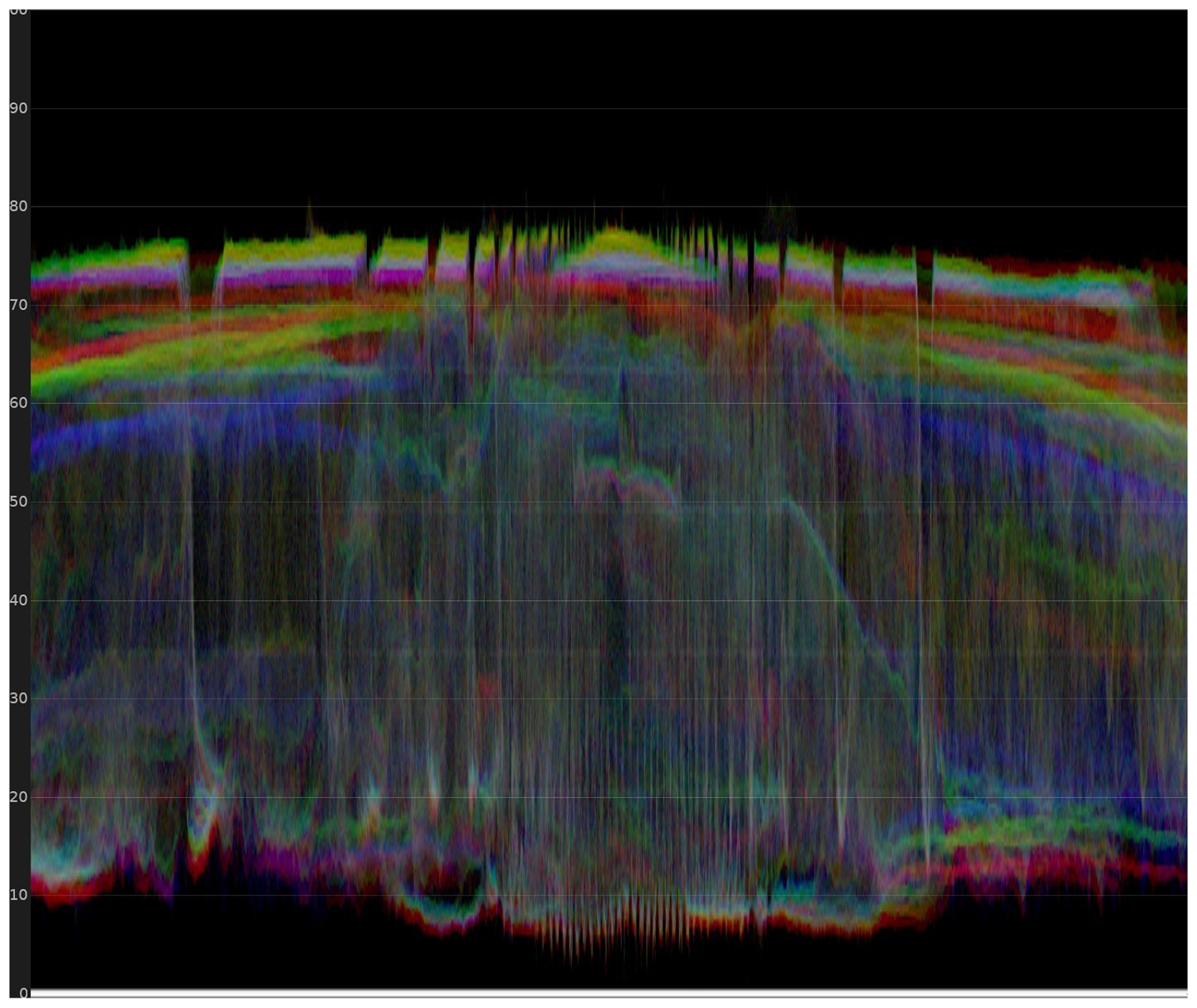
The 8-bit SDR source, which Topaz describes as carrying harsh, fixed tonal steps. Credit: Topaz Labs.
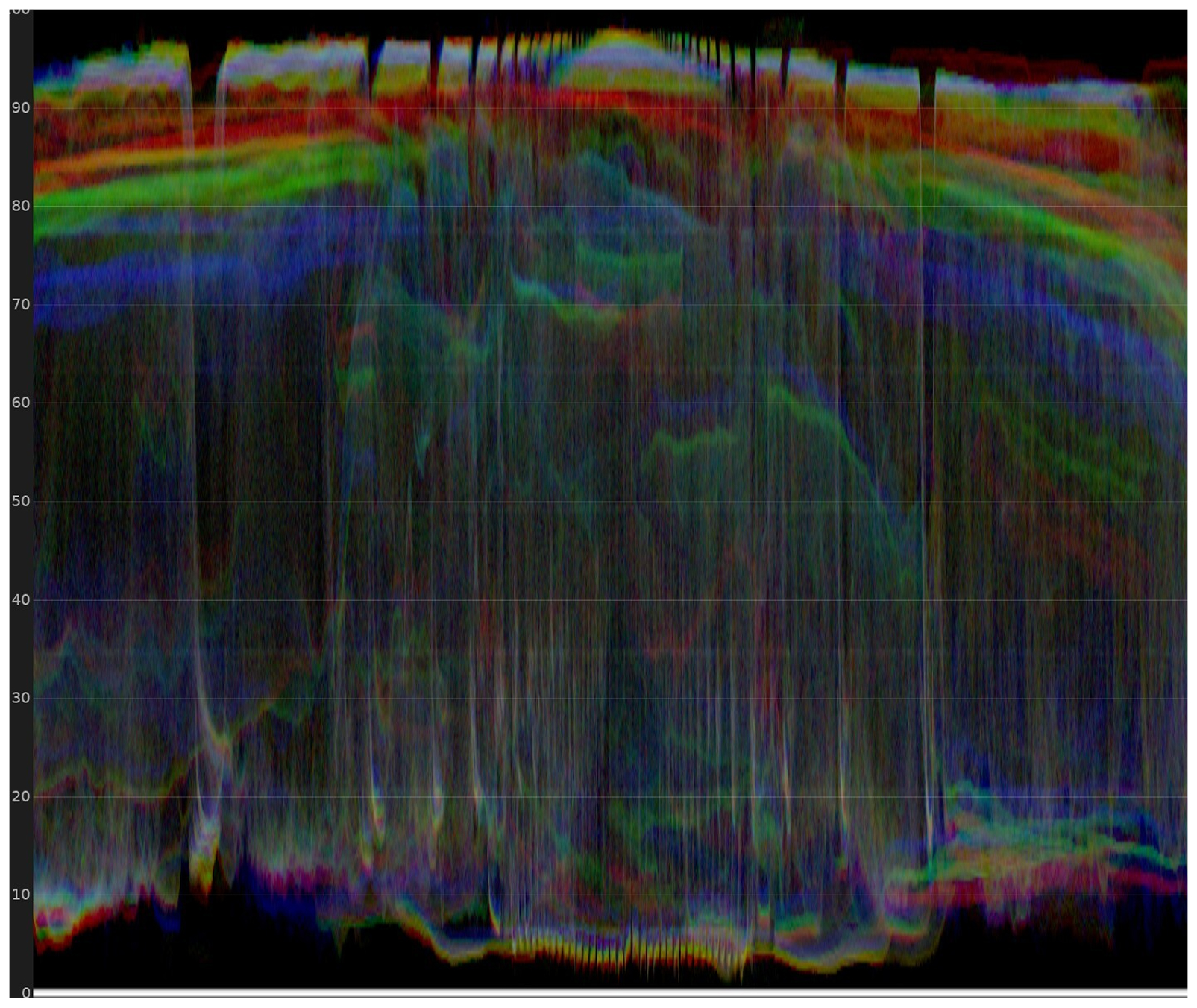
The same frame after conversion, which Topaz says carries smoother, shaded steps across a wider range. Credit: Topaz Labs.
The stated gains are wider color range, greater luminance, smoother gradients, richer blacks, more highlight detail, and less banding when grading. These are Topaz's own claims about the model.
Hyperion 2.5 sits between the upscale and VFX steps
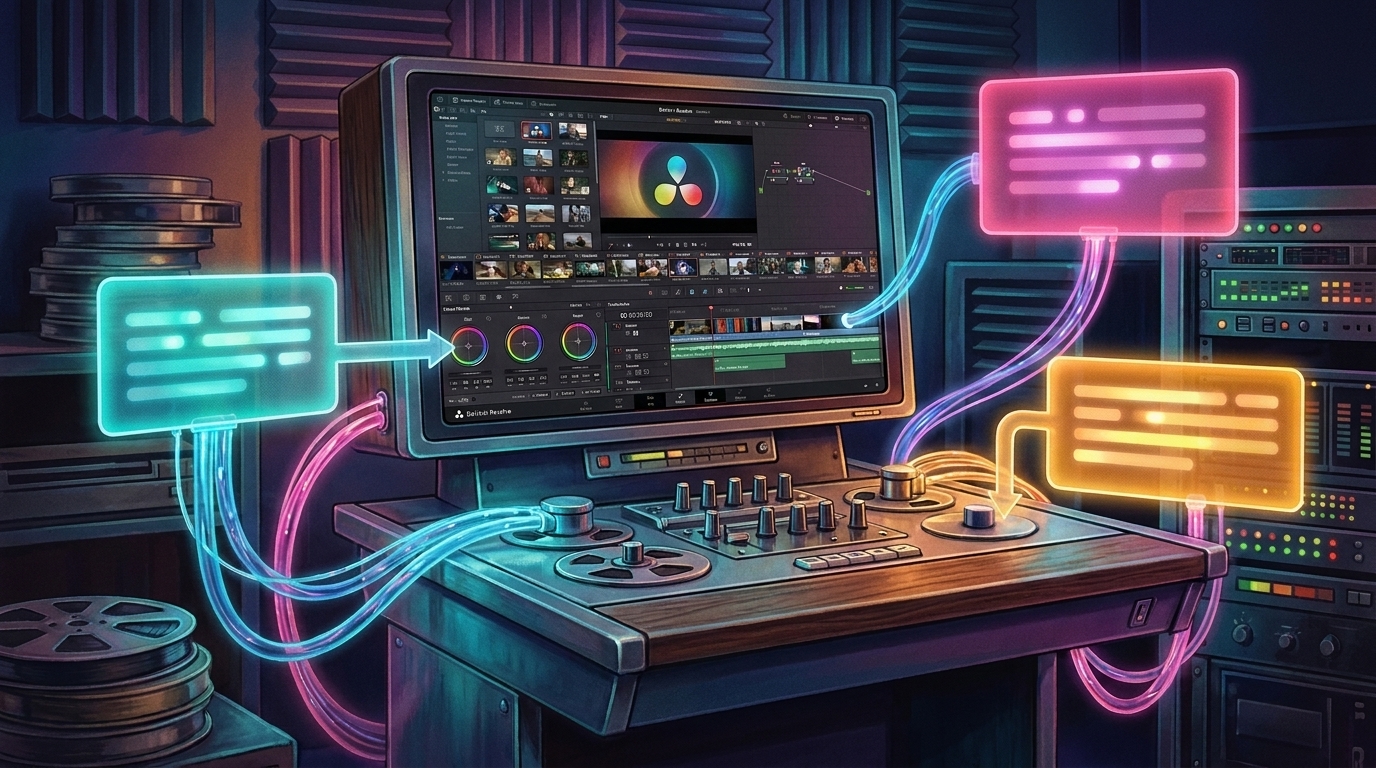
Topaz places Hyperion 2.5 partway through a generative video workflow. Its illustrated pipeline runs from image generation and image-to-video, through editorial and an upscale pass in Astra or Topaz Video, then the SDR-to-HDR conversion with Hyperion 2.5, followed by VFX in Nuke or After Effects and finishing in Resolve or Baselight.
The bit-depth problem the model targets is familiar to this audience. We previously covered a Topaz workflow that turns 8-bit AI footage into 16-bit output.
Beeble's SwitchHDR takes a similar approach, reconstructing 16-bit HDR from 8-bit video.
Hyperion 2.5 slots that conversion step into Astra, which we covered at launch when Topaz introduced its creative video upscaling.
Vendor claims still outrun independent testing
Whether the model's output holds up under a real grade against native HDR capture is the open question, and independent trade testing has not caught up to the vendor claims. 8-bit generative footage carries limited data for grading and effects, and finishing pipelines expect higher bit depth.
For teams already routing AI footage through Astra, the conversion is available to test in the app. Topaz has not given a date for the Topaz Video version.