LEGAL & POLICYA Secret Hollywood AI Coalition Published a Framework Defining Which AI Work Stays Copyrightable
VP LandAug 23, 2026 · 3 min read
A coalition of Hollywood filmmakers, executives, and actors published a framework that draws a copyright line through AI production work. Tools that assist a human creative vision can produce copyrightable output, the group says, while generative tools that replace human performance cannot.
- A copyrightability test. The document treats AI that serves a human creative vision as copyrightable and AI-generated voices and likenesses that "substitute for human creative work" as not copyrightable.
- A shared vocabulary. The group wants the industry to stop letting "AI" describe both a color-grading assist and a synthetic performance, and to build a classification system for the different kinds of AI in use.
- Named workflows. It lists tasks already assisted by AI that produce copyrightable work, including "upscaling and sharpening" and "markerless mocap."
- Three years, roughly 120 people. Kathleen Kennedy and AFI dean Susan Ruskin convened the meetings with Silicon Valley executives over three years, landing on the framework after a session of about 120 participants.
- What it leaves out. The group acknowledged the document does not address how models are trained or the technology's impact on jobs.
The framework splits AI that assists from AI that substitutes
The document, titled "Human Generative Workflows," argues that authorship comes down to whether a tool serves or replaces human creative work. On the copyrightable side, it publishes definitions of workflows generally assisted by AI, naming "upscaling and sharpening" and "markerless mocap" as examples that already produce protectable output.
The line it draws is with generative assets. AI-generated voices and likenesses "substitute for human creative work" and are not copyrightable, the group says. It frames the distinction as "the difference between a set of tools and processes that serve human creative vision and a prompt-based generative tool that replaces it."
The copyright position is the group's own. But the framework gives productions a starting vocabulary for arguing which parts of a pipeline stay human-authored.
A common vocabulary to replace "AI" as a catch-all
The group's core complaint is that the term "AI" is "used in the same breath to mean a color grading assist in DaVinci Resolve and a prompted synthetic performance that replaces an actor." To fix that, it proposes a classification system for the variations of AI already in use, intended for productions now and audiences later.
The stated goal is narrow. The document is meant to "stimulate industry discussion and provide a common vocabulary for thinking about authorship in an era of generative AI," the group said in its first public statement. "This conversation is bigger than AI," it added. "It is about bringing the entertainment community together to shape a shared approach to the future of the creative process."
That framing lands amid active industry fights over the same questions. We covered Netflix's generative AI rules for production.
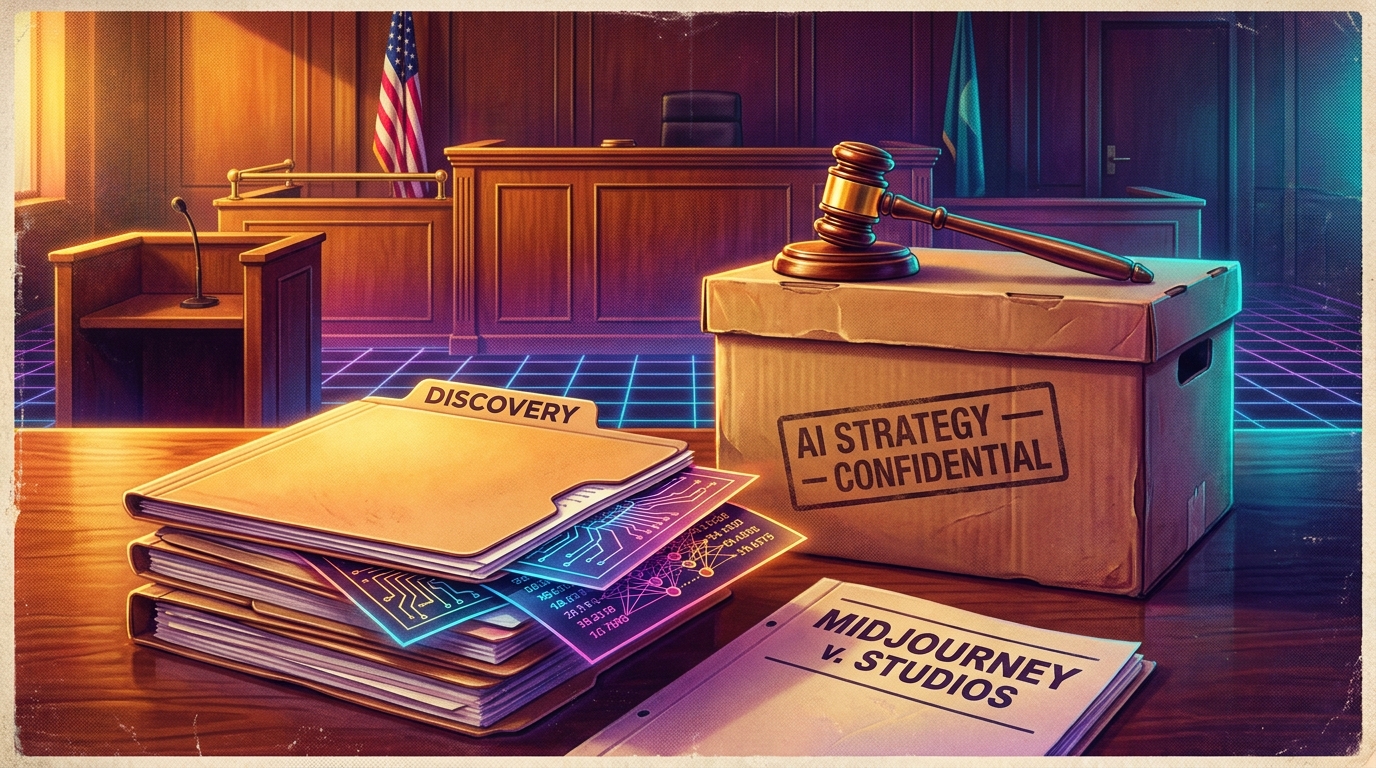
We also reported the discovery push in which Midjourney moved to force studios to reveal how they use AI.
Who convened it, and what it still avoids
Kennedy, of LucasFilm, and Ruskin first convened the coalition and met with Silicon Valley executives across three years before publishing. The framework first appeared in the Ankler. Page Six reported attendees included actor and InterPositive co-founder Ben Affleck, A24 partner Scott Belsky, CAA agent Greg Siegel, Paramount+ Originals executive Chris Parnell, "Stutz" producer Diane Becker, 30 Ninjas CEO Jed Weintrob, and director Jon Avnet.
The document sidesteps the fights that have driven most of the creative community's fear. The group said it does not take on how models are trained or the potential effect on jobs. It does hope to open a conversation, extending to music, sound, and writing, about how artists can consent to and be compensated for the use of their likenesses in generative work.